
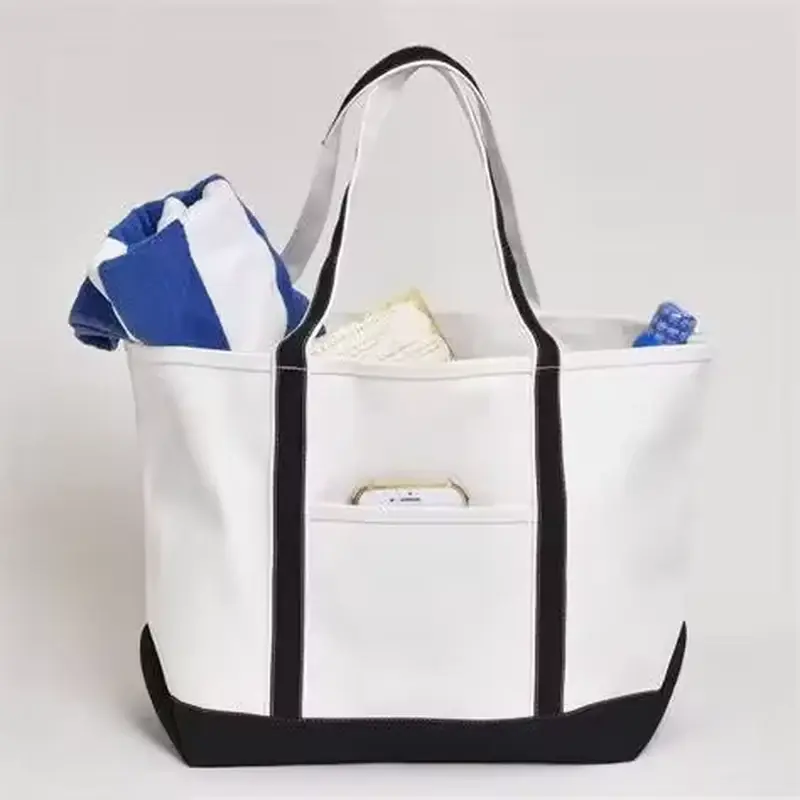
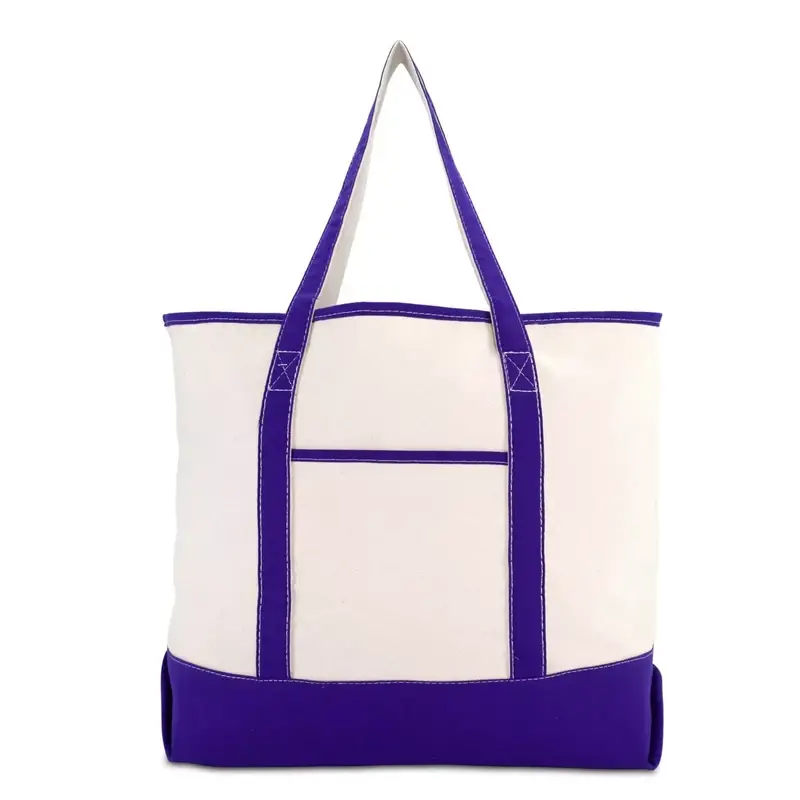
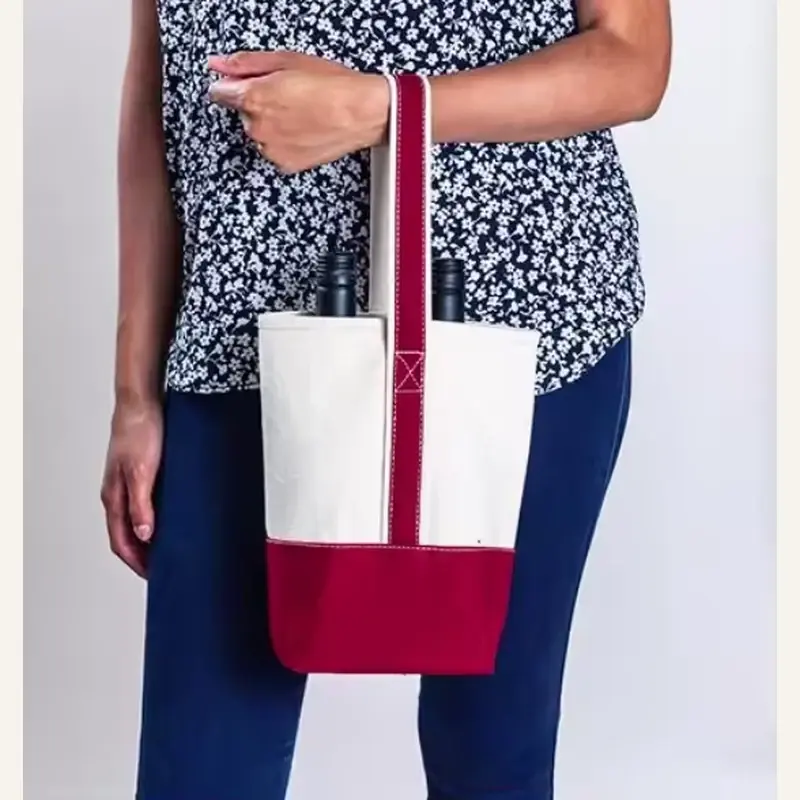
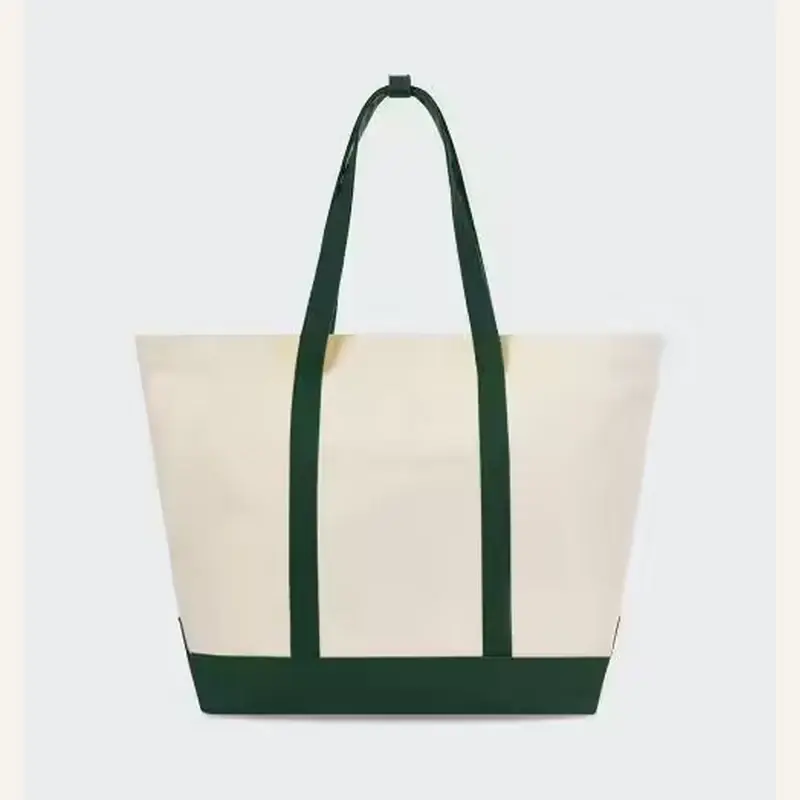
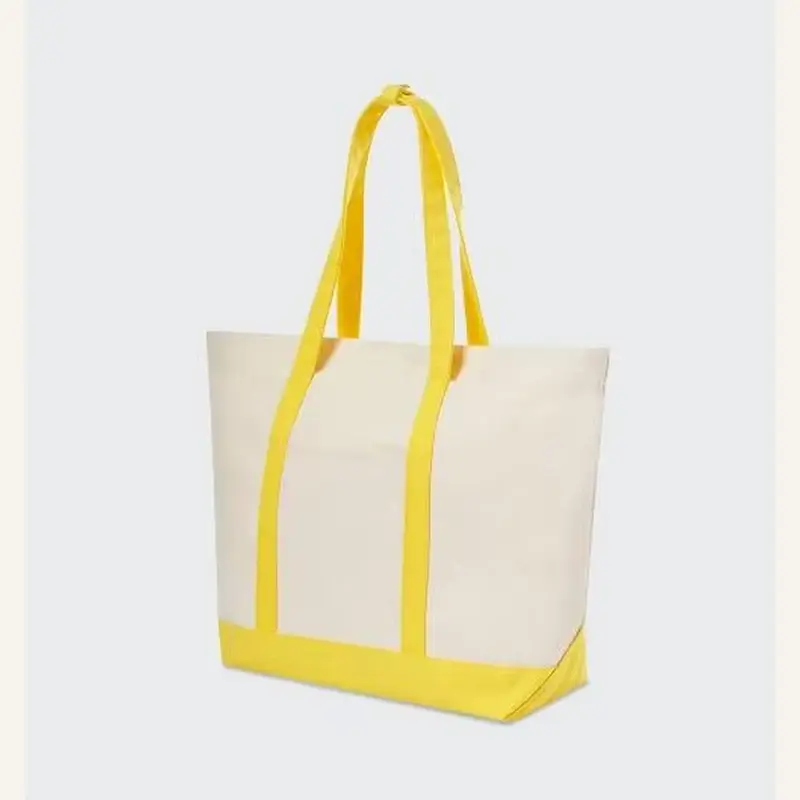
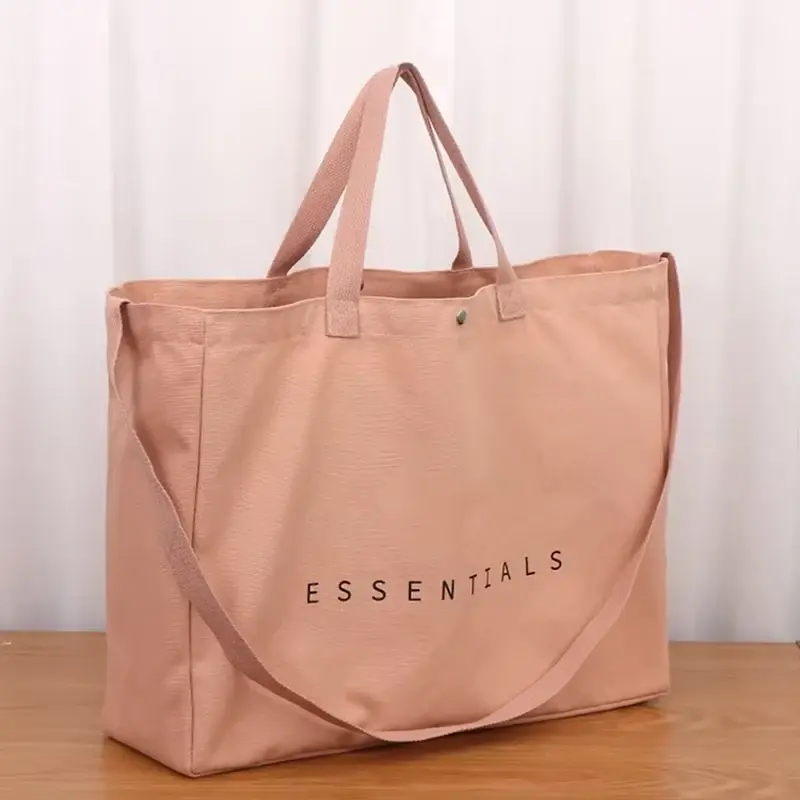
Custom Gusseted Canvas Tote Bag
- Gusset: Custom type, depth and corner construction
- Bag Body: Custom finished dimensions and structure
- Material: Project-specific canvas or cotton direction
- Branding: Screen print, placement and labels
- Packaging: Project-specific packing plan
Same quality at 100 or 5,000 pcs. Rush production: 7–10 days after team review.
Send Your Gusseted Tote Brief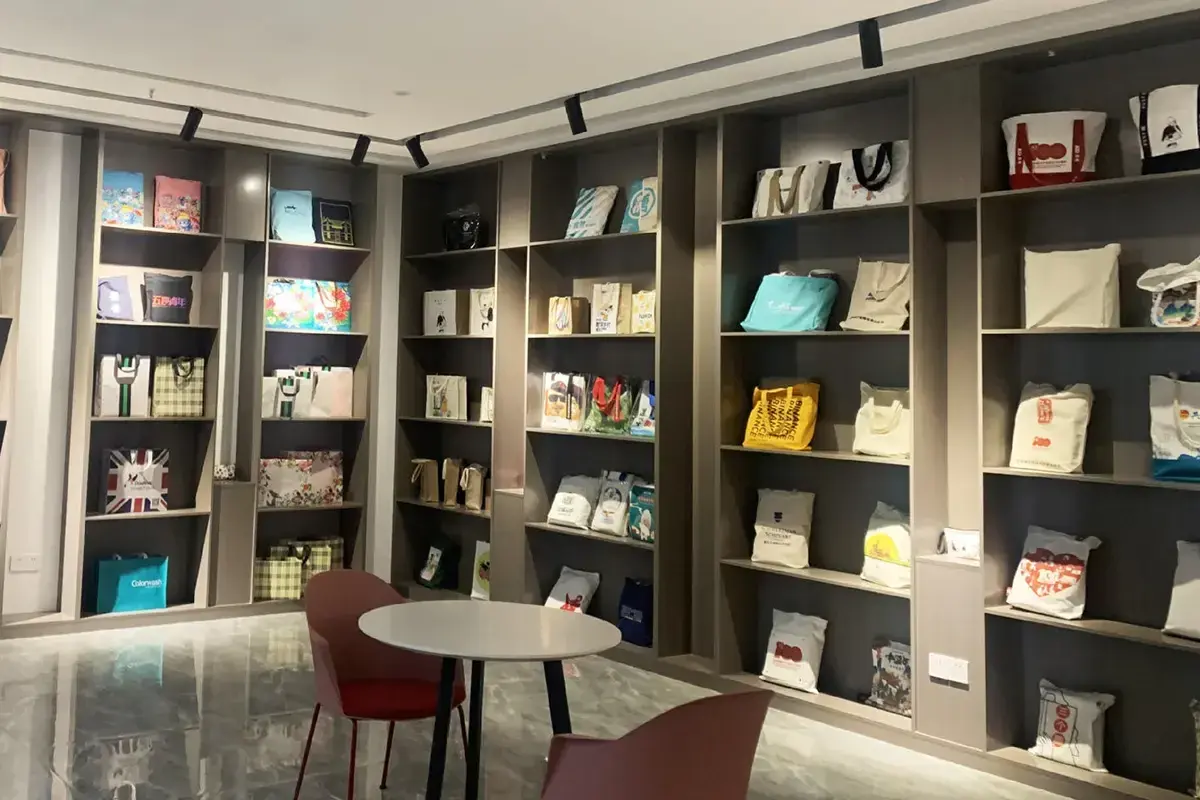
Start with Contents Before Choosing Gusset Depth
A gusset should be specified from the items the tote must hold, not from a flat front view. Review type, finished depth, corner construction, print area, handle placement, folding and carton volume together.
What Buyers Check on a Gusseted Tote
Depth is useful only when the loaded shape, opening, artwork and packing work together.
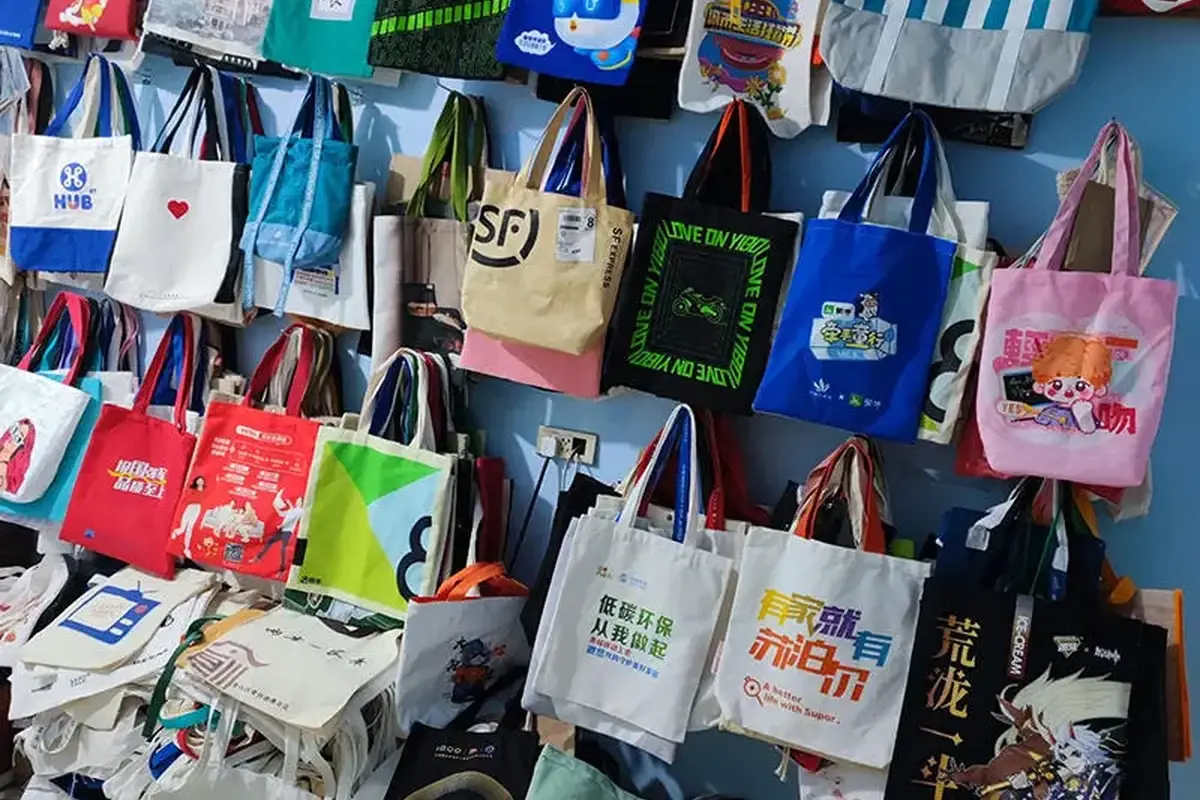
Retail Load and Display
Retail teams should load the sample with the intended goods and check gusset shape, logo distortion and unit presentation.
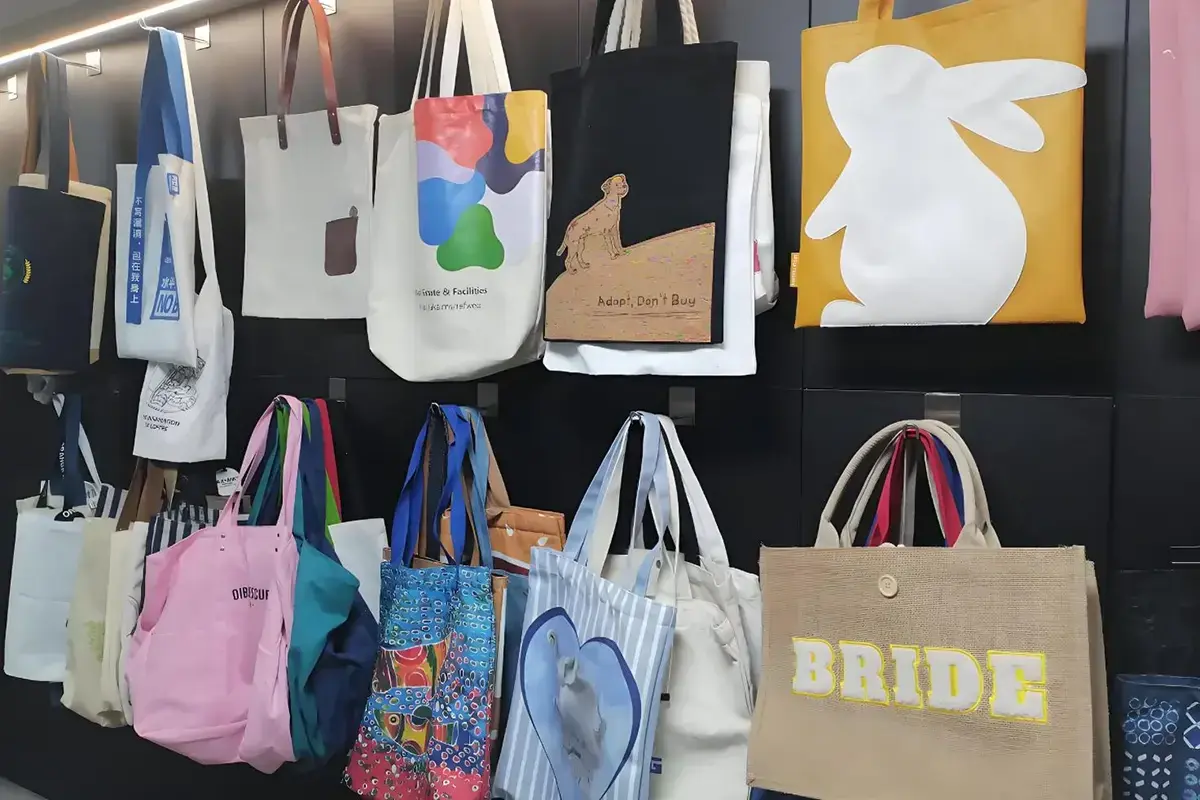
Distributor Gusset Specification
Distributors need the gusset drawing, finished depth, body size and artwork position fixed before comparing quotes.
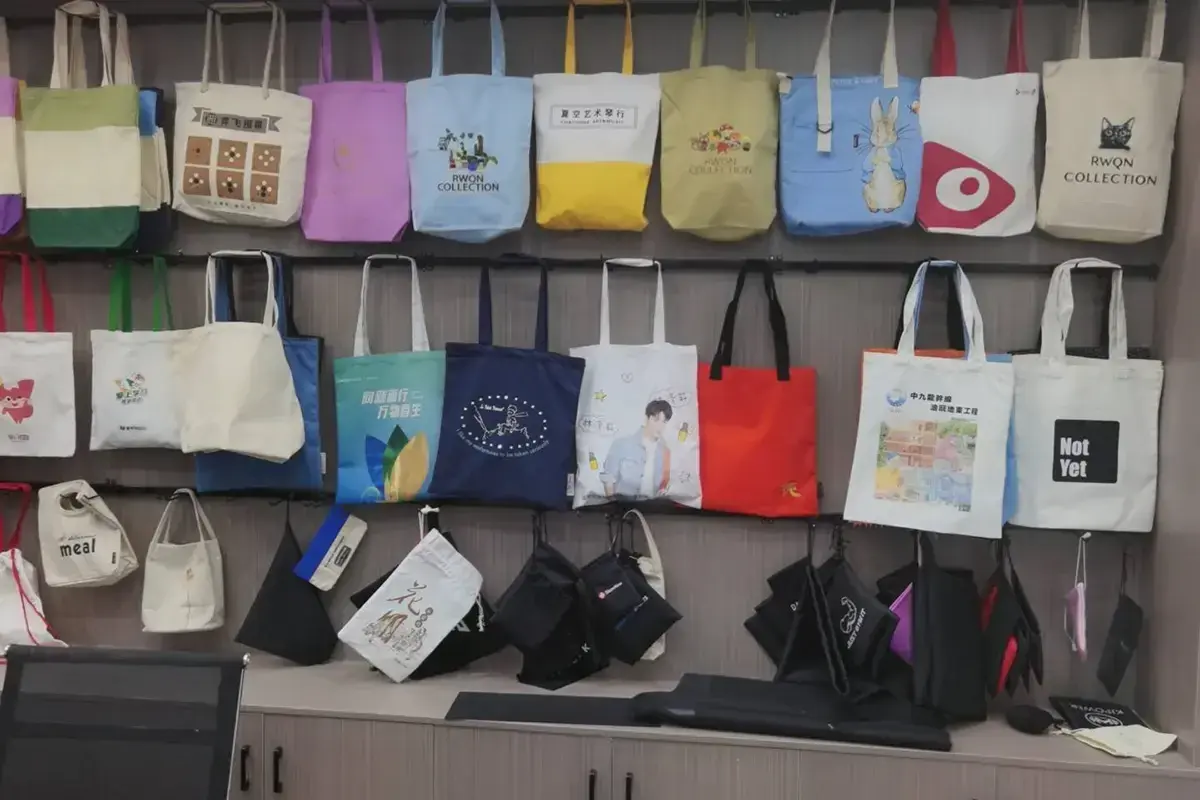
Import Inspection Points
Importers should use the approved loaded sample and written tolerances to inspect gusset seams, dimensions and carton packing.

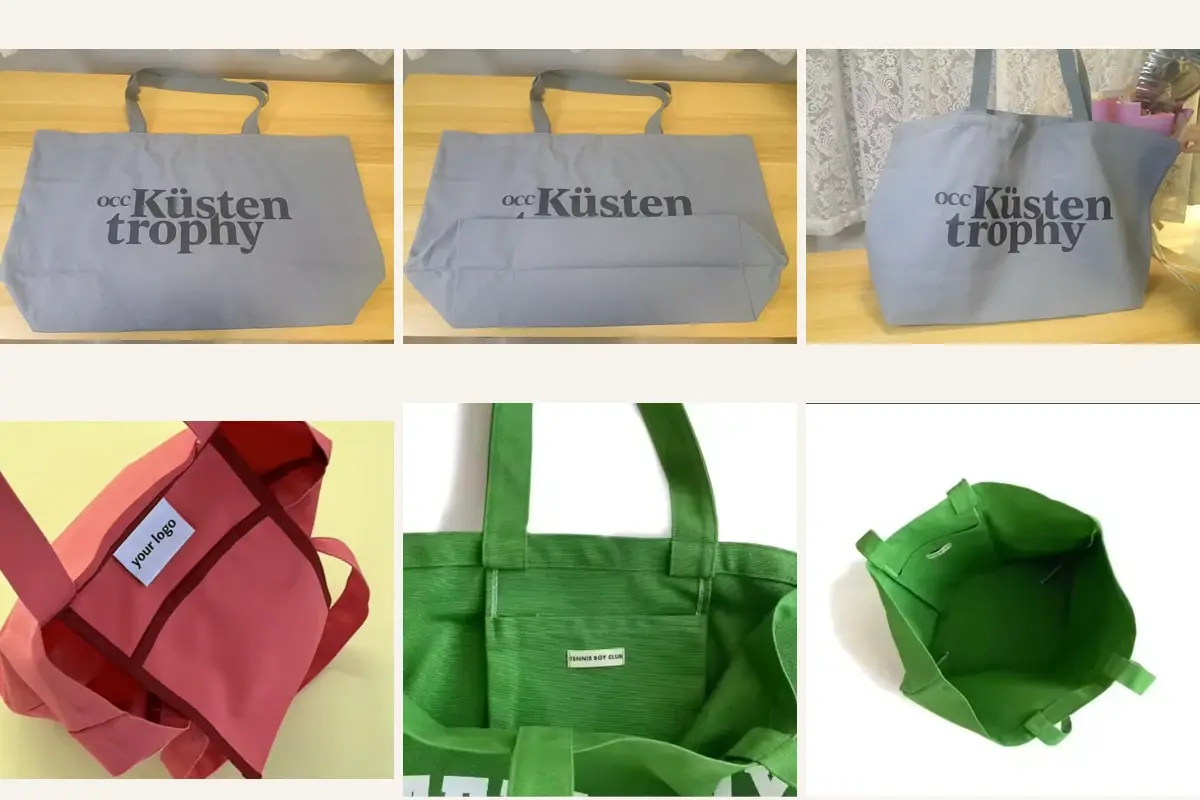
Define the Gusset from the Loaded Shape
Choose the gusset type from the intended contents. Approve finished depth, corners and seam position on the loaded sample.
- Bottom Gusset Direction
Choose a bottom gusset when the contents need base depth without full side expansion. - Side-and-Bottom Gusset Direction
Use side-and-bottom construction when the loaded shape needs depth along the body and base. - Finished Gusset Depth
Record finished depth on the complete bag, not from an unsewn panel. - Corner and Seam Construction
Approve corner shape, seam position and any tolerance on the loaded sample.

Size the Body Around the Loaded Bag
Check width, height, depth and top access with real contents so usable space and the print panel remain clear.
- Finished Width
Set the finished width around books, retail goods or kits and keep the planned print area usable. - Finished Height
Check the finished height with the top opening and gusset seams and the approved carry position. - Project-Specific Depth
Add depth only when the contents need a wider base; record the approved measurement. - Opening and Access
Test top access and loaded shape with real or representative contents.

Select Canvas for the Gusseted Build
Canvas weight and hand feel affect gusset shape, seams, printing and folding. Approve the exact material with the construction.
- Cotton Canvas
For the gusseted tote, confirm composition, weight, color and surface on the selected cotton canvas. - Standard Canvas
Document the exact canvas specification when balancing loaded structure, print quality and cost. - Organic Cotton Direction
Confirm availability, supporting documents, MOQ, cost and timing for an organic cotton direction on the gusseted tote. - Recycled-Material Direction
For a recycled-material direction, confirm source, composition, documents and project conditions for the gusseted tote.
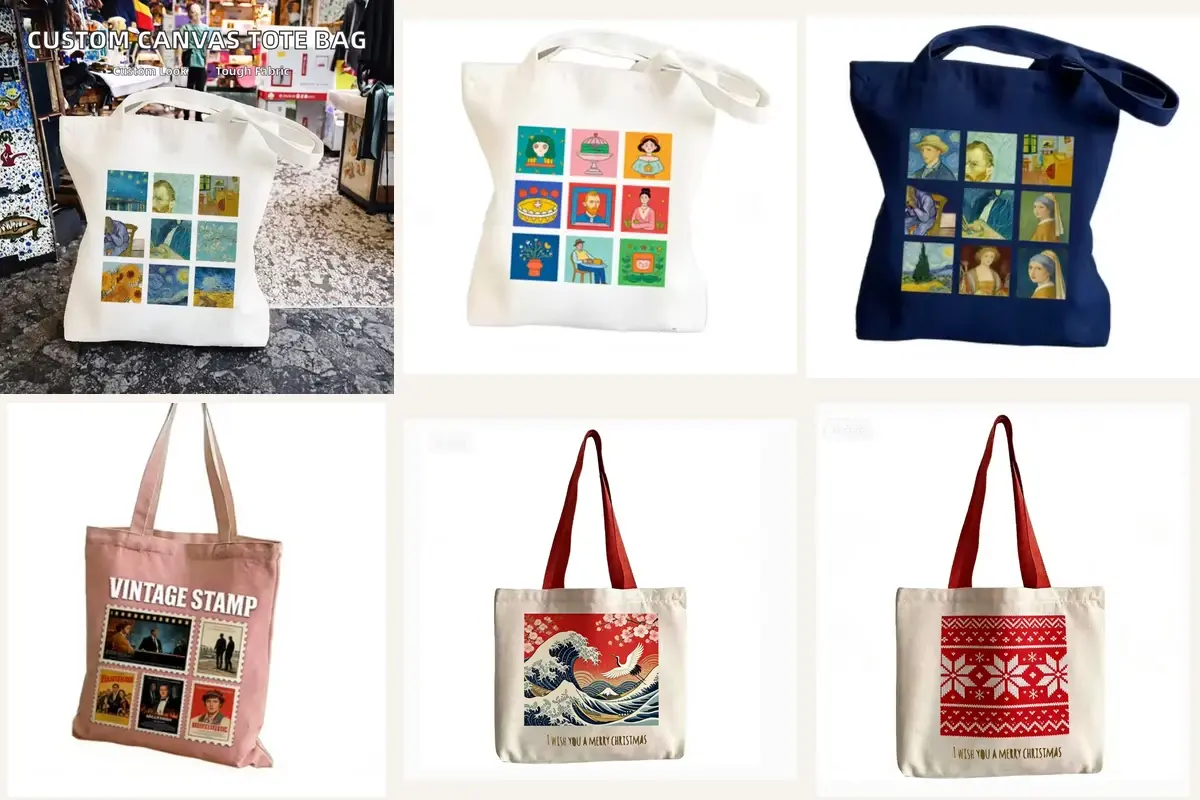
Keep Handles and Artwork Clear of Gusset Seams
Set handle attachment and the logo zone on the gusseted sample, then approve label positions and artwork files.
- Handle Length and Width
Set handle length and width for the loaded gusseted body and the intended load. - Handle Attachment
Approve attachment position and stitching with gusset seams and the intended load. - Screen Print Placement
Test artwork size, color and placement on the approved gusseted panel. - Brand and Care Labels
Confirm label content, material, position and attachment before approving the gusseted tote.
Set the Fold and Carton After Sampling
Approve folding, unit packing and carton quantity after the gusset shape, artwork and labels are fixed.
- Folding Method
Approve a fold that protects gusset corners and print placement and fits the planned carton. - Individual Packing
Confirm unit-pack material, sealing method and quantity for retail or wholesale delivery. - Product Label or Paper Card
Provide final card or label artwork, data, size and attachment point for the gusseted tote. - Outer-Carton Packing
Set carton quantity, marks, destination and handling needs for the gusseted tote.
Related Custom Products
Compare this deeper format with flat, webbing-handle, zipper-gusset and shopping totes.

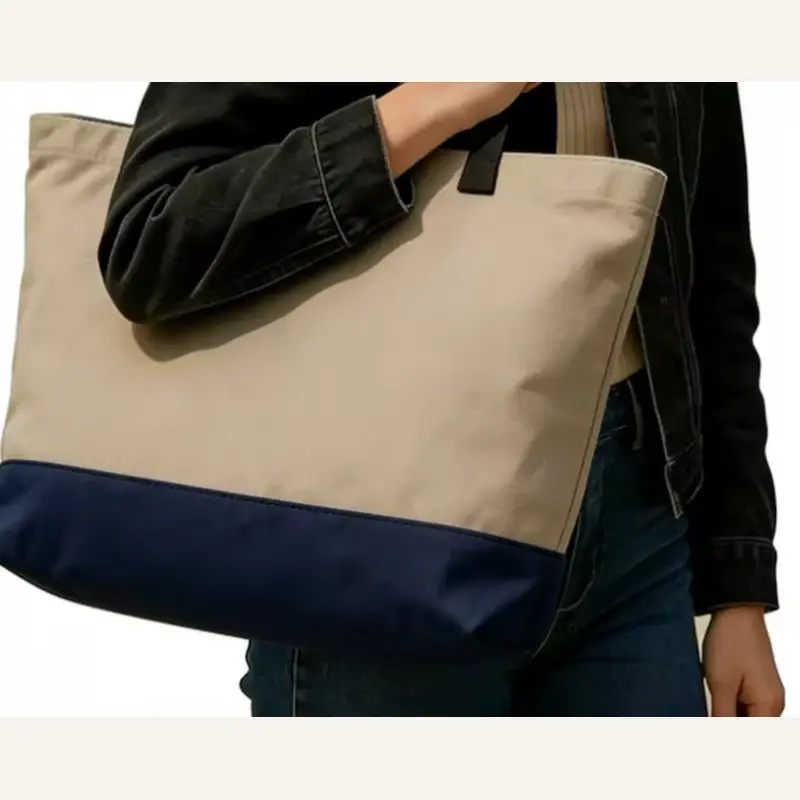

Check Gusset Shape Against the Approved Sample
Relevant checks cover material, cutting, gusset depth and corners, stitching, print placement, finished dimensions, appearance, quantity and packing. State gusset-depth or corner tolerances and any report or inspection requirement in writing.
Define Your Gusseted Tote
Send the contents, gusset type and depth, material direction, finished bag and handle dimensions, quantity, artwork, labels, packing, destination and required date.
Get a Gusseted Tote QuoteGusseted Canvas Tote Bag FAQs
Use these answers to define gusset geometry, loaded size, artwork and order conditions.