
Heavy Canvas Production from Fabric to Packing
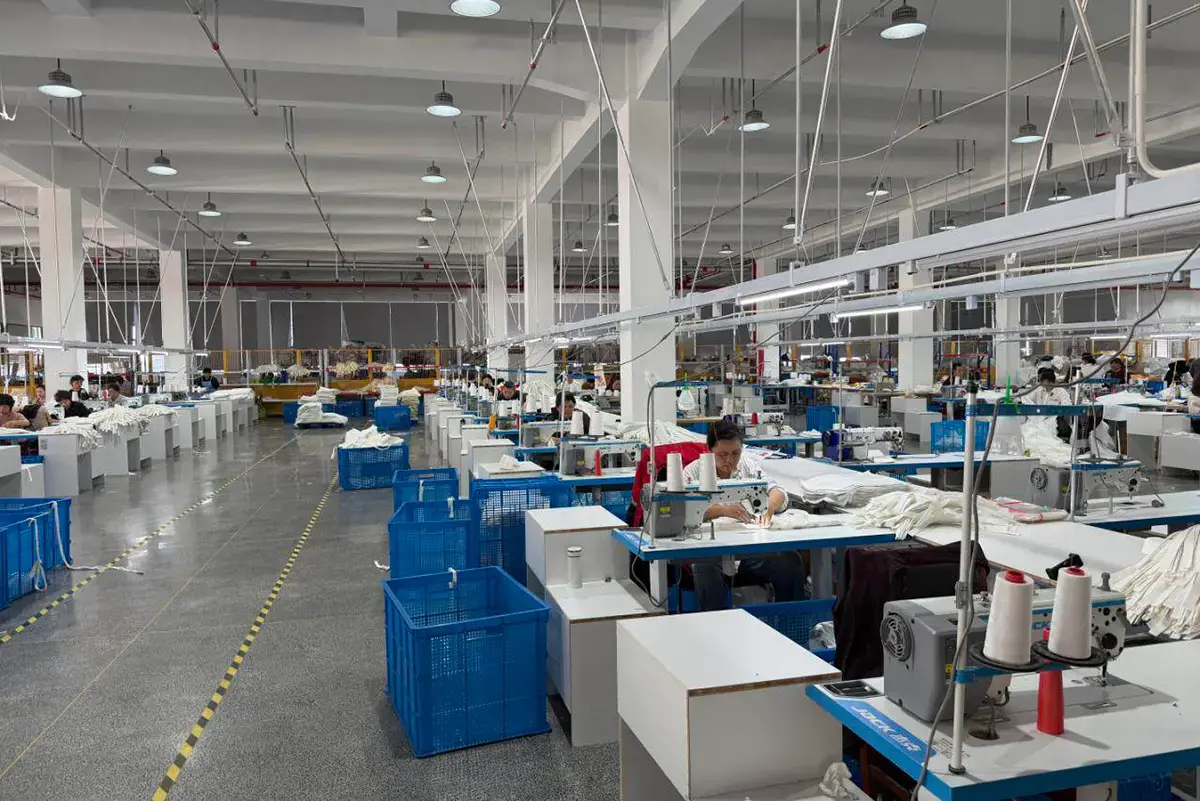
Heavy canvas requires a different sewing setup from light cotton. Before sampling, WiseTotes reviews the weight basis, material, hand feel, dimensions, load and artwork, then coordinates cutting, screen printing, dedicated canvas sewing, inspection and packing at its own Hangzhou facility. Project-specific construction and logistics terms are confirmed in writing.
Six Checks Before Choosing Heavy Canvas
Use these six checks to compare fabric, construction and packing before sampling.

1. Weight Basis
Confirm whether 12 oz, 14 oz, 16 oz or a 20 oz option means fabric mass per square yard. Record the composition, weave, finish, color, project-specific treatment and tolerance.

2. Hand Feel and Body
Compare actual fabric for structure, drape, foldability and surface instead of judging by weight alone.

3. Bag Construction
Match dimensions, flat or gusseted construction, pockets, a board-supported base and seam layers to the contents and canvas.

4. Handles and Stress Points
Match handle material, width, length, attachment and added stitching at the handle roots and base corners to the load and bag size.

5. Branding Surface
Heavy canvas is coarser than light cotton. Check artwork, colors, placement and seam clearances on the selected weight.

6. Packing and Freight
Check folding, individual packing, carton quantity, shipment limits and destination because heavier fabric and reinforcement affect production and freight planning.
Compare Four Heavyweight Canvas Tote Options
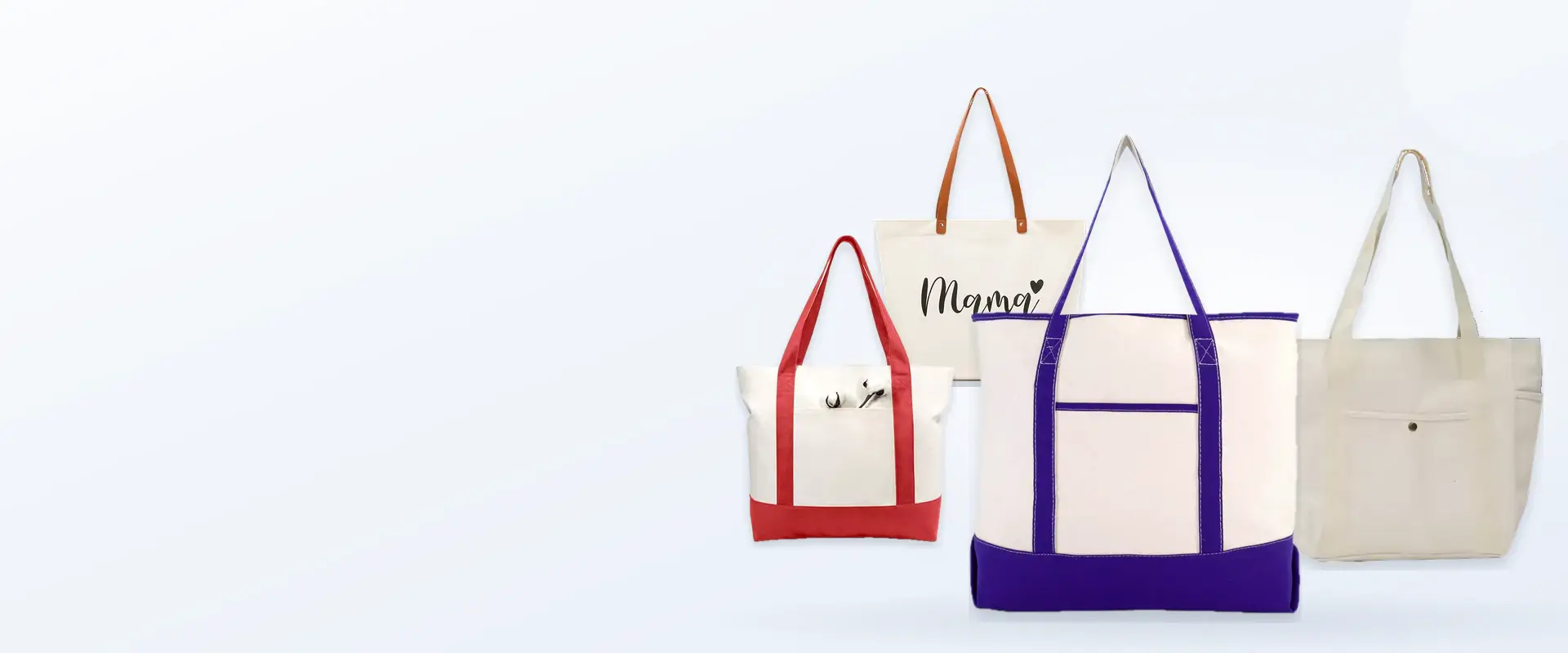
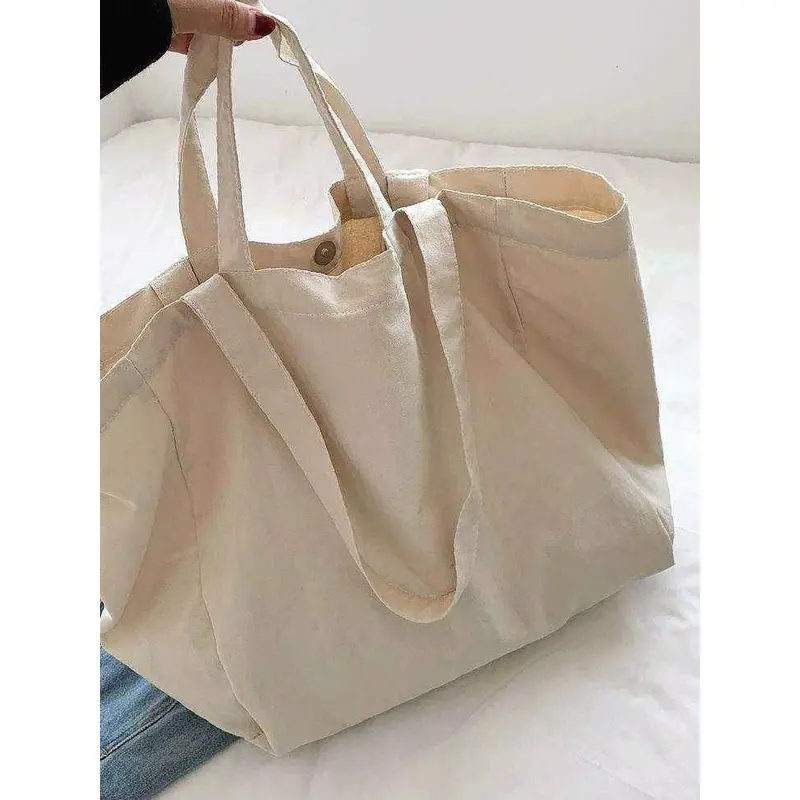
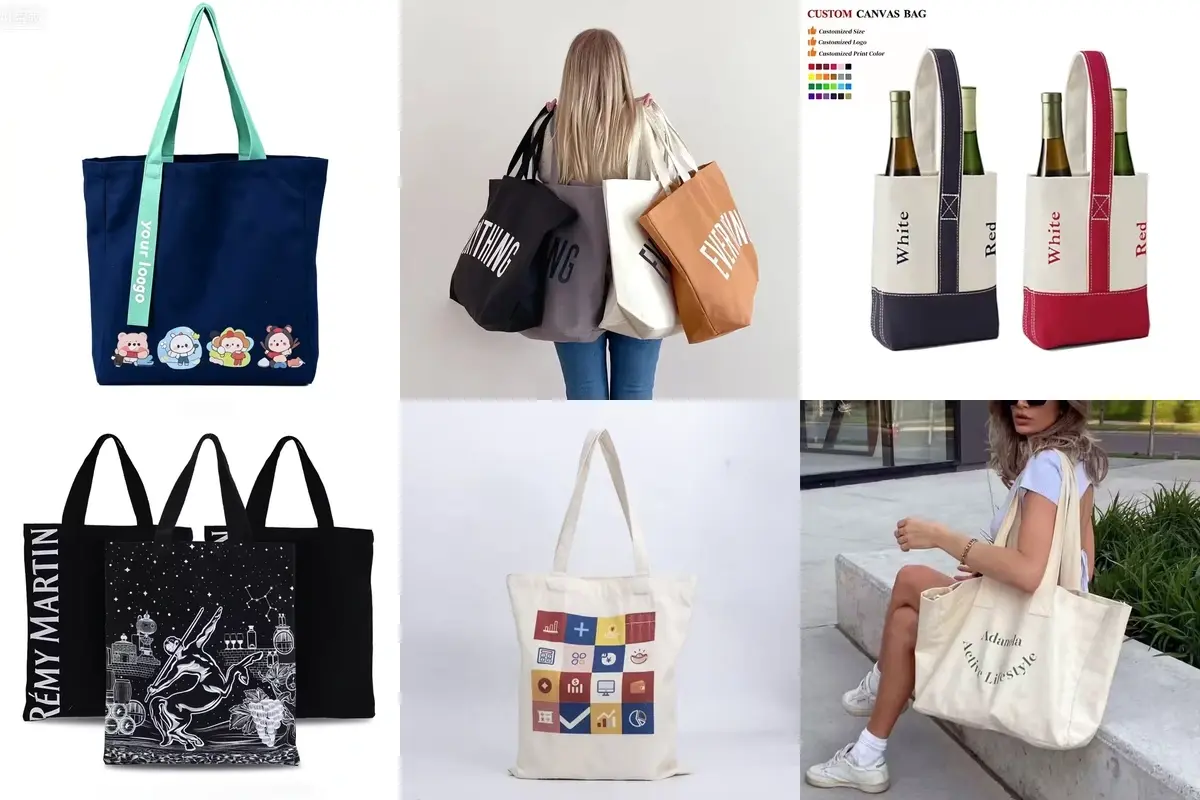
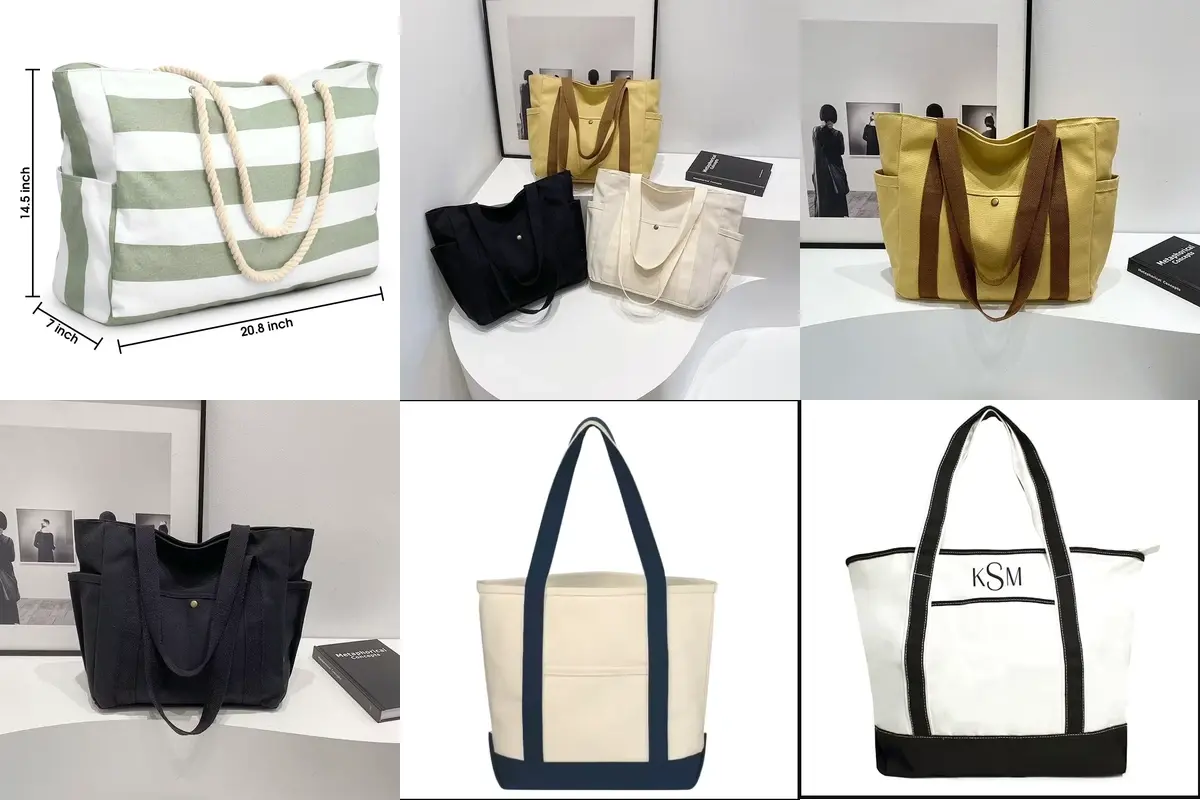
This collection has four products. A 20 oz direction, grocery or produce use, wide gussets, reinforced bases and stress-point stitching are options, not separate products.
Match a Verified Weight to Use
Fabric weight is mass per area, not finished bag weight or a load rating. Record the unit, composition, weave, finish, color and tolerance, then choose by load, reuse frequency, hand feel, bag size and sales position.
- State the Unit
Write ounces per square yard or the agreed metric equivalent. Ounces per linear yard means something different, so always state the basis. - Compare the Formal Weights
12 oz is the lightest formal option, 14 oz adds fabric mass, and 16 oz is the most weight-forward formal product and holds its shape for normal weekly retail use. - Use 20 oz as a Configurable Direction
The heaviest option suits dense goods and daily use over months but is not another formal product. - Compare Real Fabric and Construction
Use swatches or a complete sample to judge hand feel, surface, drape and foldability. A 16 oz bag with a reinforced base often outlasts a plain 20 oz bag, so approve weight, color, measurements, appearance and reinforcement together.
Reinforce the Base, Gusset and Handle Roots
Heavy-use bags often need support at the base corners and handle roots, not the panel center. Heavy canvas also adds bulk where gussets, pockets, hems and seams overlap, so approve the complete construction on the sample.
- Base Construction
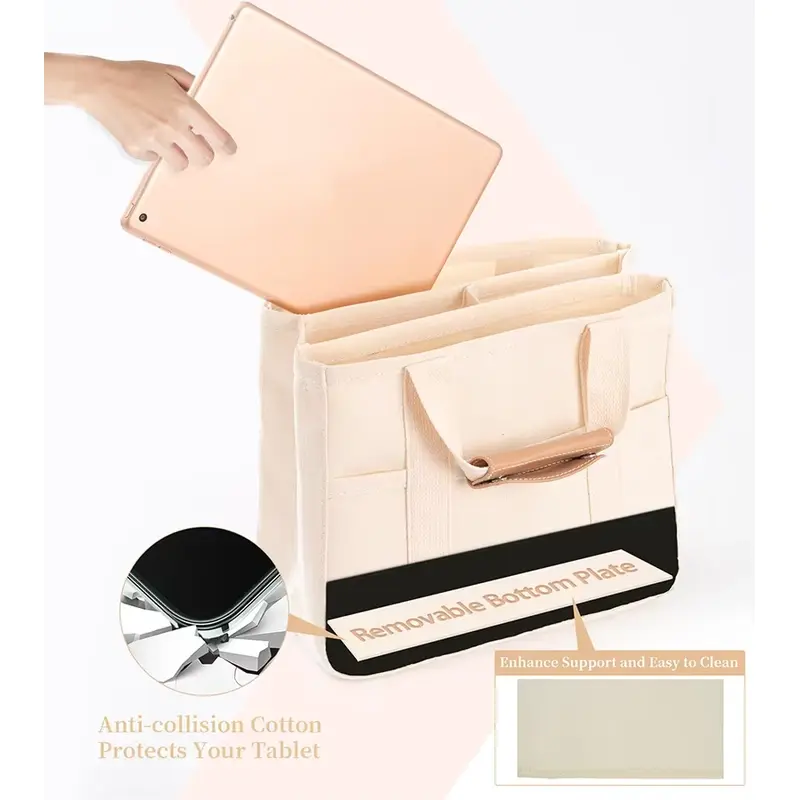
Choose flat, gusseted or board-supported construction. A removable or sewn-in board keeps the base flat under dense loads but adds a production step. - Base Corners
Extra corner stitching is the least costly way to extend the service life of a loaded bag. - Handle Roots
Add stitching passes where the handles meet the panel. Cotton webbing, nylon and canvas handles are available; specify material, width, length and attachment. - Gusset, Pocket and Load Sample
A wider gusset adds capacity for boxed goods and changes the cutting layout and fabric use. Approve gussets, pockets and layered areas with representative contents instead of inferring a load rating from weight alone.
Approve Printing on the Actual Canvas Weight
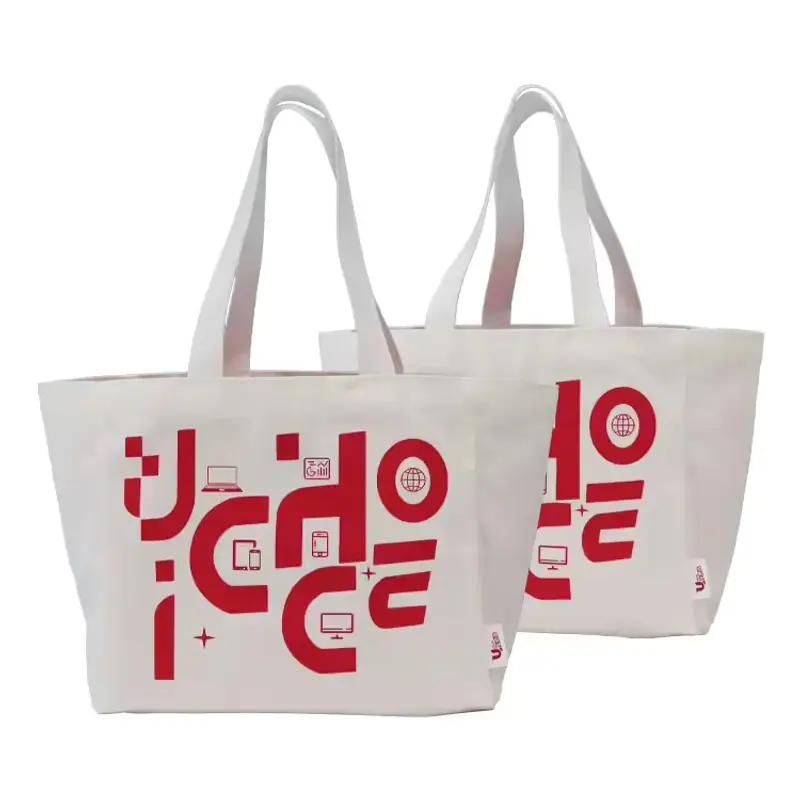
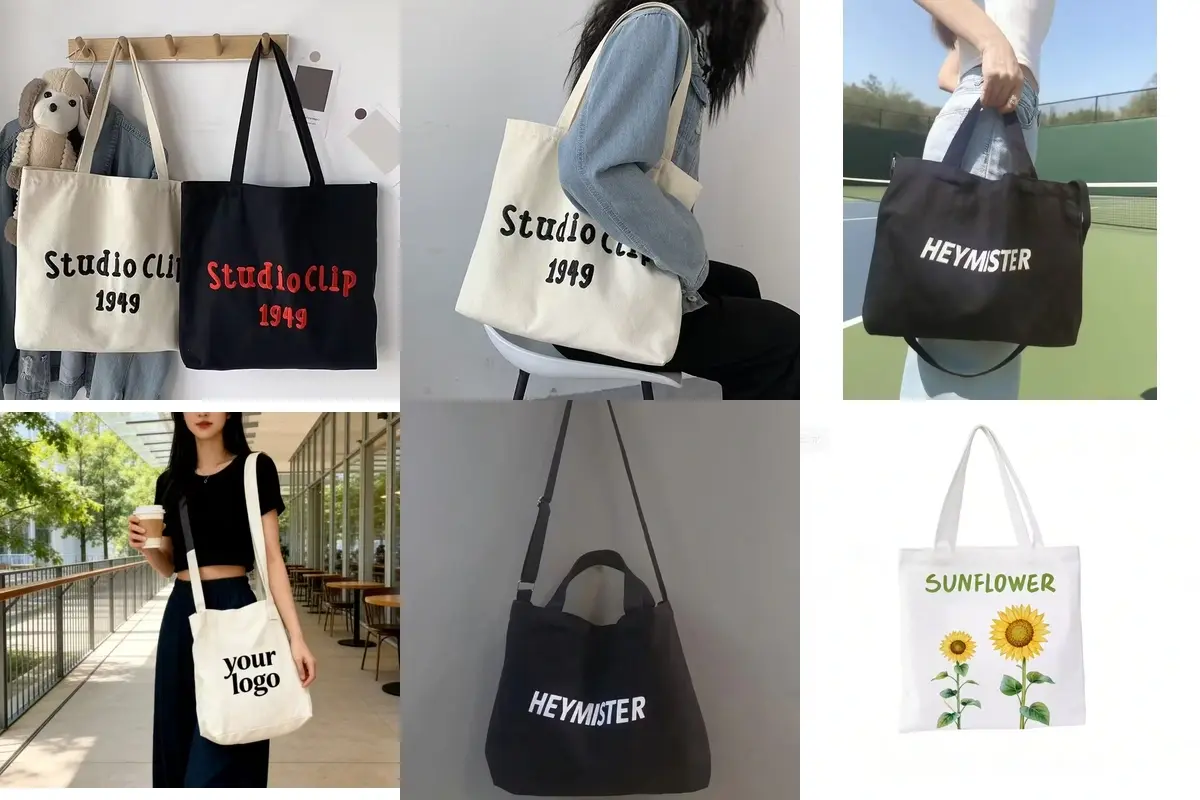
Heavy canvas is coarser than light cotton, so artwork may look different on 12 oz and 20 oz fabric. Approve printing on the selected weight before bulk production, then confirm folding and carton plans for the destination and sales channel.
- Screen Printing
Works for solid-color areas on heavy canvas and is priced by artwork color count. - Embroidery or Heat Transfer
Embroidery suits high-wear logo areas and outlasts a printed mark there. Heat transfer handles detailed multicolor artwork but looks different on a coarse weave. - Brand Components and Folding
Check labels, care labels and hangtags around heavy seams and pockets, then approve how the bag and branding fold and present. - Carton and Freight
Confirm individual packing, pieces per carton, carton limits, shipment weight, destination and shipping method before production.
Three Reinforcement Methods to Approve on the Sample
Each method changes construction time. Approve fabric, reinforcement and packing as one production standard.
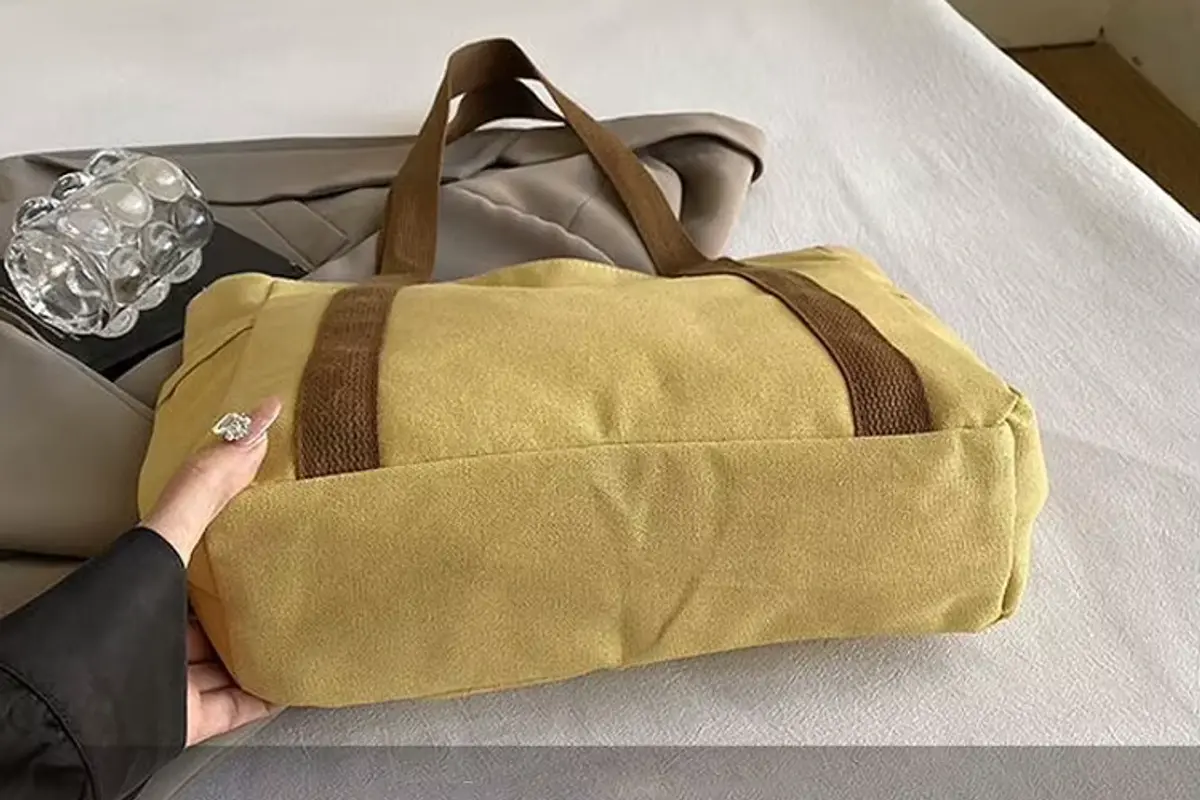
Reinforced Base Corners
Extra corner stitching is the least costly way to extend the life of a loaded bag. Approve layered seams and appearance on the complete sample.
Review Corner Stitching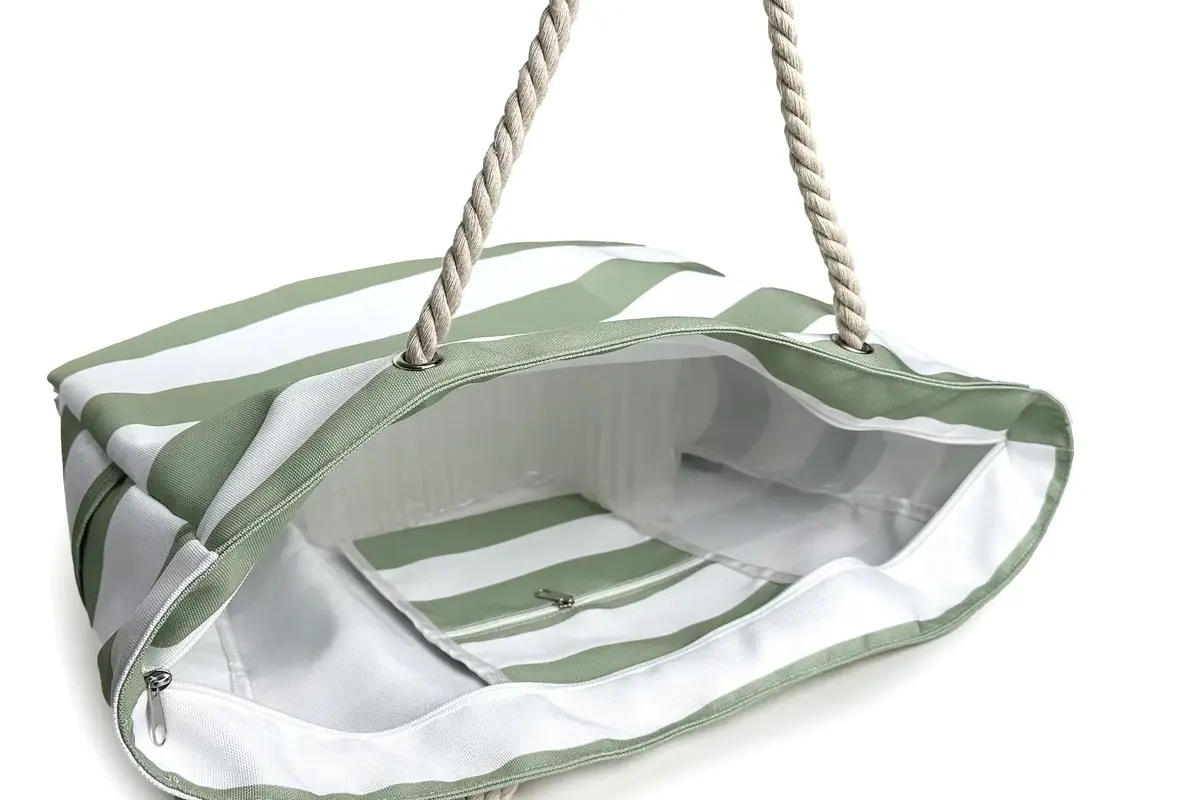
Board-Supported Base
A removable or sewn-in board keeps the bottom flat under dense loads but adds a production step. Confirm the board, gusset and fold with the packing plan.
Review the Base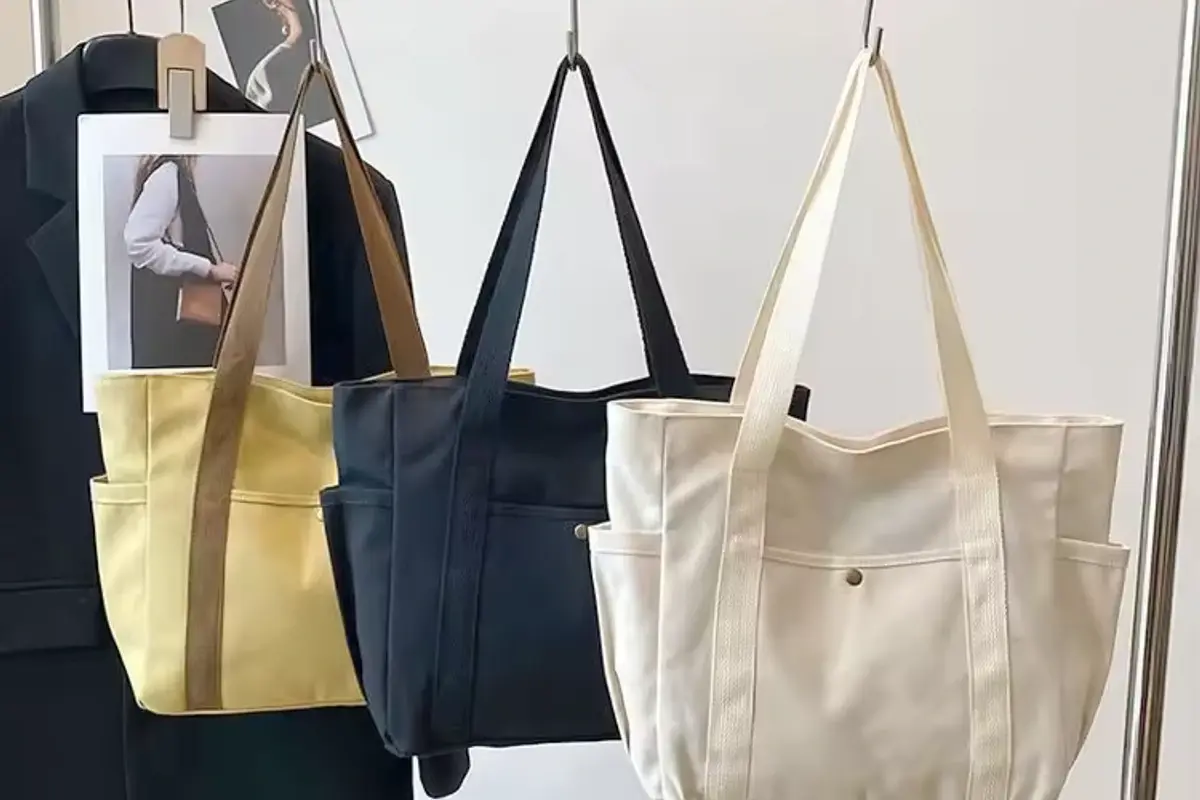
Reinforced Handle Roots
Extra stitching where the handle meets the panel protects the second most common heavy-use failure point. Approve handle material, attachment and stitch pattern on the sample.
Review Handle Reinforcement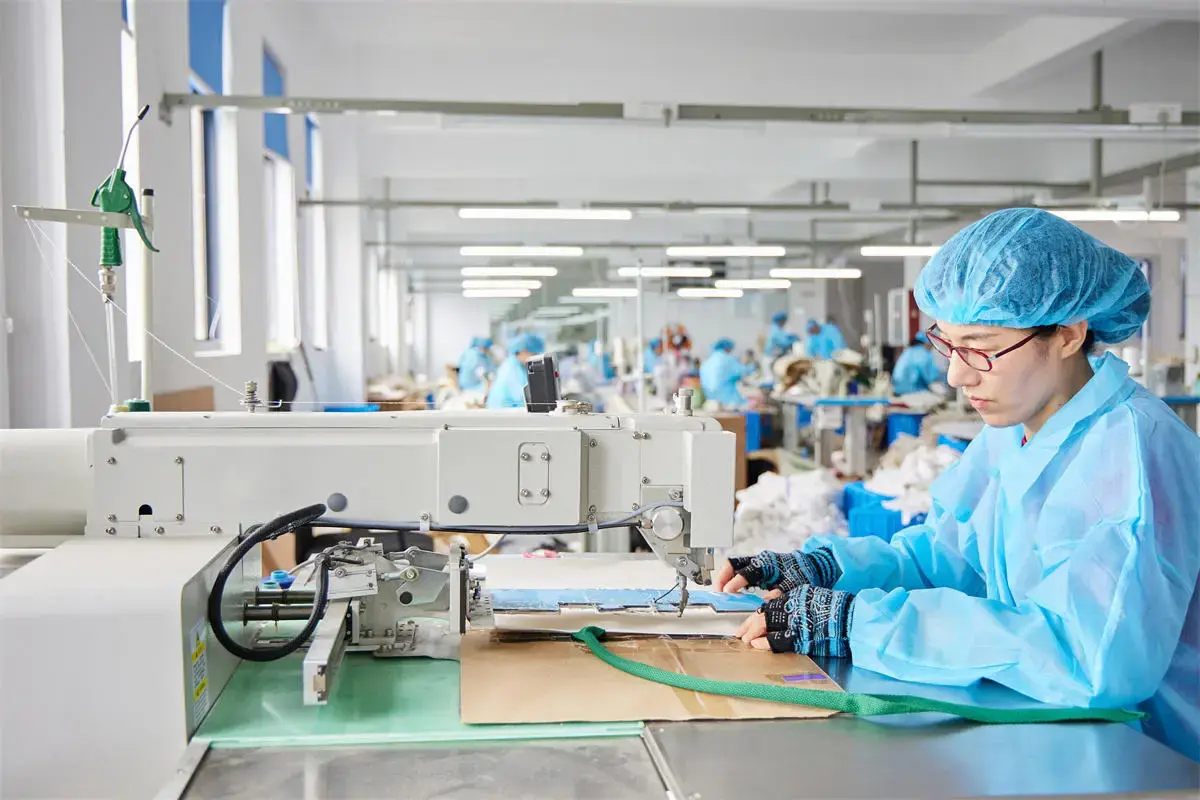
Heavy Canvas Seam and Strength Checks
In-process quality control (IPQC) checks cutting accuracy, sewing, layered seams, handle attachment, print placement and stitch strength. Final quality control (FQC) checks the approved fabric specification, dimensions, appearance, quantity and packing. Stitch-strength results are recorded in production inspection records.
Send Your Heavy Canvas Specifications
Get a Custom QuoteHeavyweight Canvas Tote Bags FAQ
Compare weight, construction and order terms before requesting a sample or quote.