

Custom Cotton Tote Bags
Cotton material, color, size, handles, printing and packing are customized for retail, promotions, events and giveaways.
- ✓ Natural, lightweight, shopping or long-handle
- ✓ Organic or recycled cotton, subject to availability
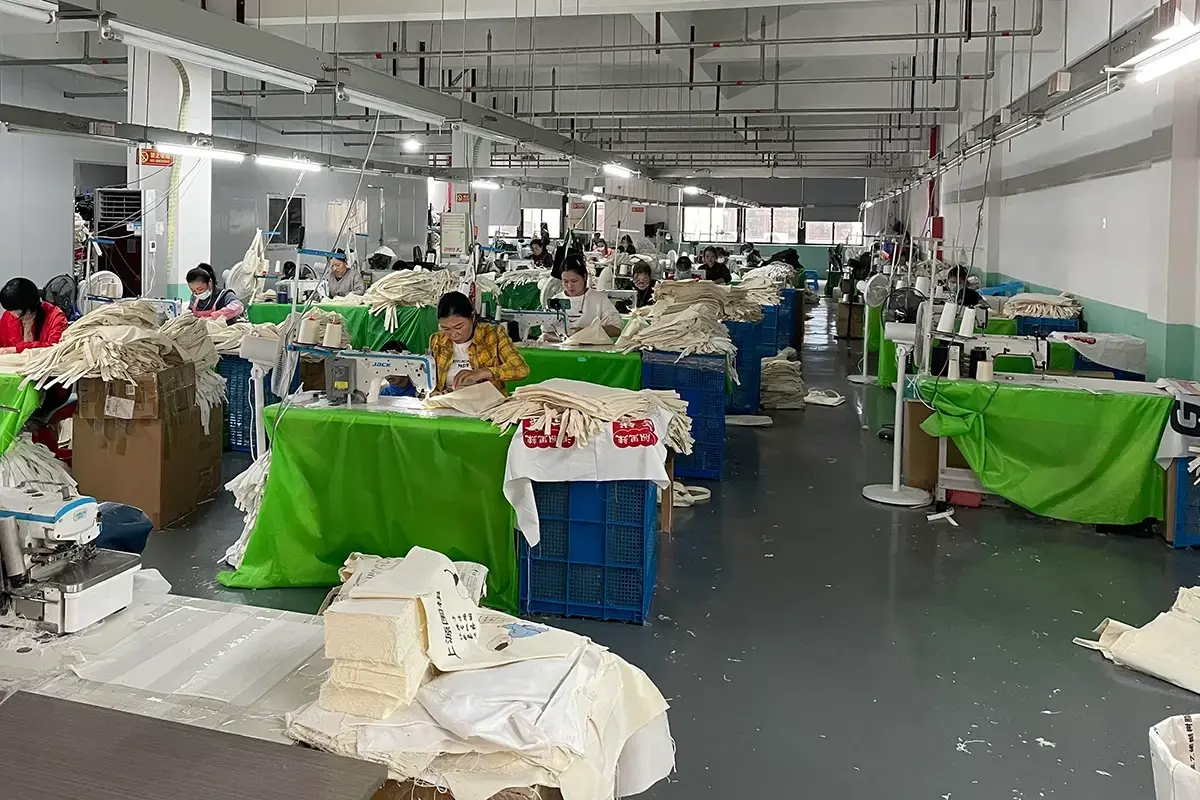
Cotton Tote Production from Fabric to Packing
WiseTotes reviews specifications for accurate pricing, then coordinates large lightweight-cotton runs at its Hangzhou facility and confirms each project’s terms.
Six Checks Before Choosing a Cotton Tote
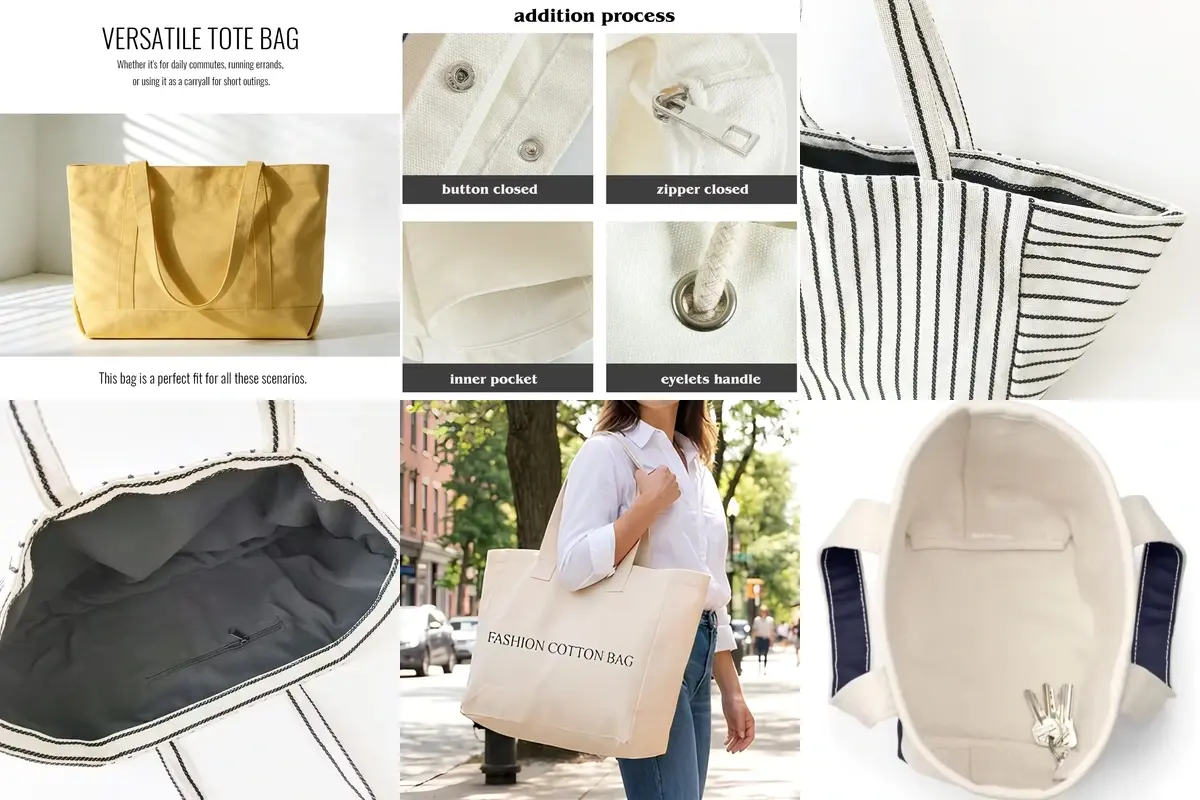
Compare cotton specification, color, capacity, handles, branding and packing before sampling.

1. Cotton Specification
Confirm composition, weight such as an 8 oz direction, weave or finish, and the measurement basis. Organic, recycled and other recycled materials depend on availability.

2. Color Direction
State natural, white or dyed color and approve a swatch because preparation and finishing affect appearance.

3. Bag Capacity
Match width, height and any gusset to representative contents rather than relying on a generic size label.

4. Handle Carry
Choose hand or shoulder carry, then confirm handle length, width, drop, material and attachment.

5. Branding Surface
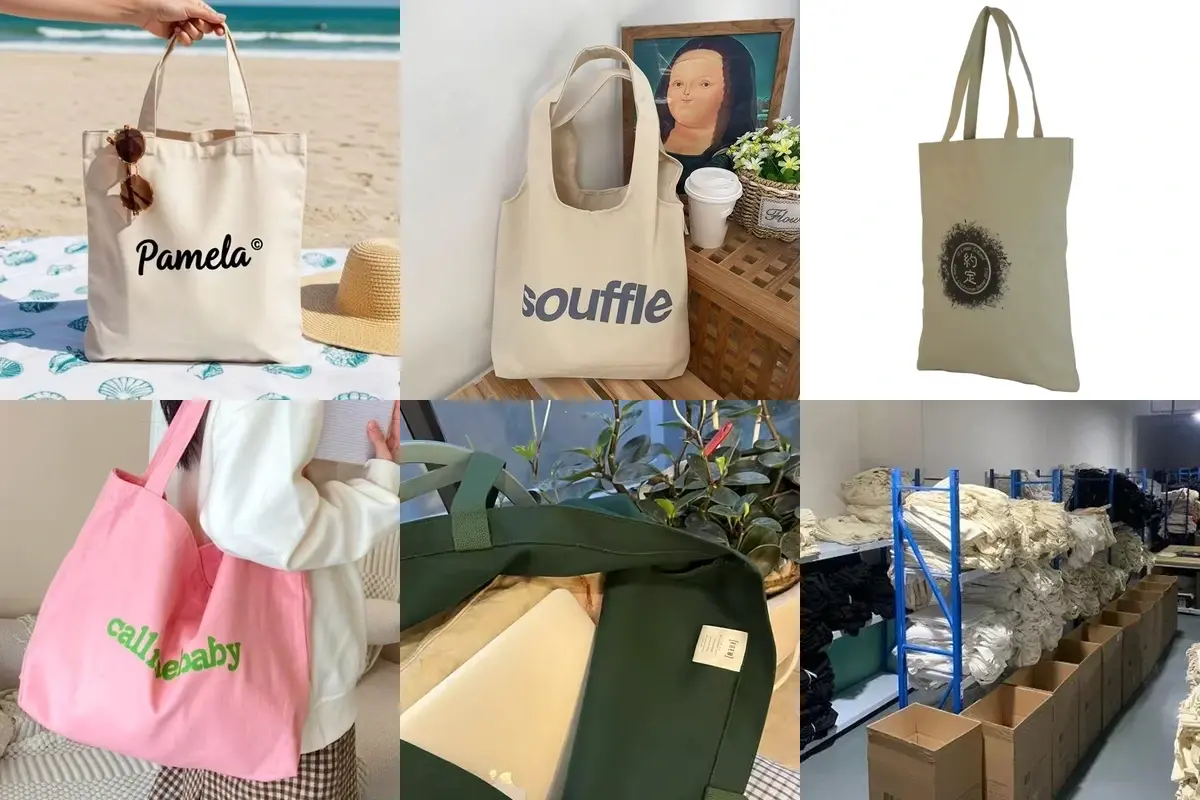
Choose screen printing, digital direct printing, heat transfer or embroidery by artwork and color count. Check placement, seam clearance, labels and the selected cotton.

6. Packing Plan
Confirm folding, individual packing, carton quantity, destination and shipping needs before production.
Compare Four Cotton Tote Formats
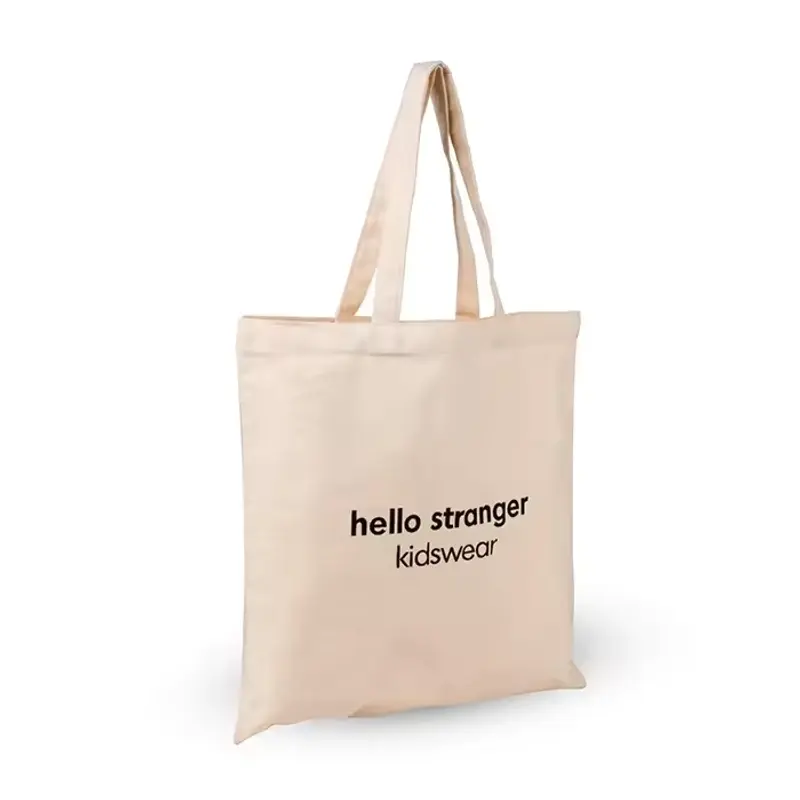
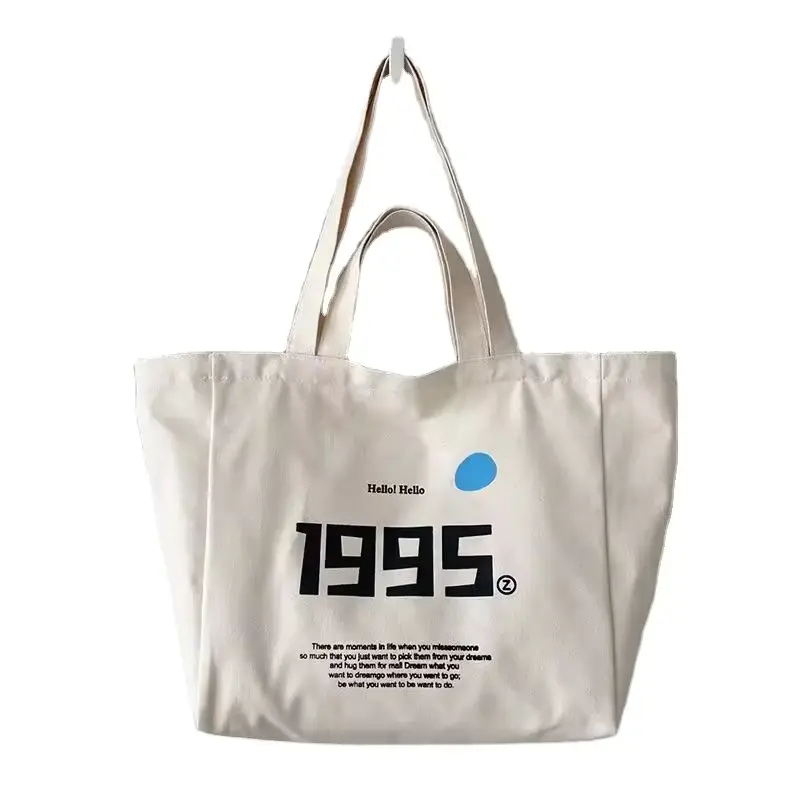
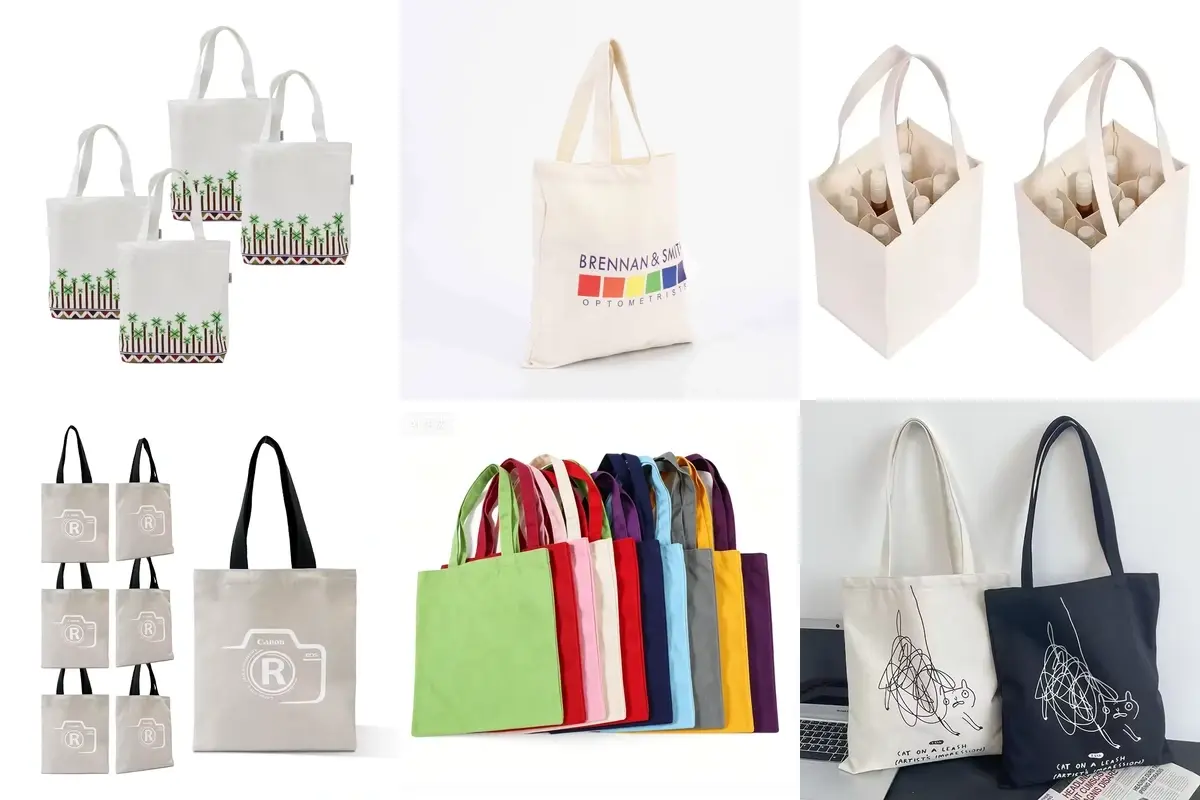
This collection has four products. An 8 oz direction, organic cotton, recycled cotton, other recycled materials and promotional use are options, not separate products.


Define Cotton Material, Weight and Color
Material affects unit price, lead time and available documents. Natural, white and dyed describe appearance, not complete specifications; confirm composition, weight, weave or finish, color reference and acceptable variation on a swatch or sample before cutting.
- Natural Cotton
The lowest unit-price direction with the widest color range for large campaign runs. “Natural” describes appearance and does not automatically mean organic, undyed or certified. - Organic Cotton
Available when required, subject to material availability at order time and confirmation of the document scope. - Recycled Cotton
Uses reclaimed fiber and has natural shade variation that must be accepted on the sample. Other recycled materials also depend on availability. - 8 oz and Other Lightweight Directions
Record mass per area, composition, weave, construction and finish. Confirmed options use the same volume lines; changing material after sampling usually affects price and schedule.
Set Capacity, Handles and Large-Run Cost
For giveaway quantities, small specification changes can affect unit price more than bag shape. Set dimensions, gusset and handle drop from the contents and carry method; lightweight fabric or long handles alone do not define finished performance.
- Finished Size and Body
Set width, height and depth from typical items, then choose a flat body or side and bottom gussets. A small size change across 10,000 bags changes fabric cost. - Handle Length and Drop
A 60 cm length is standard. Longer handles support shoulder carry but use more webbing; material, width, placement and attachment change feel and cost. - Print Color Count
Screen printing is priced by the number of colors, so a two-color version of the same logo costs less than a higher-color version. - Packaging and Performance
Individual OPP bags, paper cards and labels add steps; bulk carton packing costs least. Approve seams, attachments and representative contents without inferring a load rating from fabric weight or handle length.
Approve Printing, Labels and Packing Together
Cotton color, texture, seams and folds affect printing. Approve artwork and fabric shade on the chosen cotton, then confirm labels, folding and packing for the sales channel and destination.
- Screen Printing
Common for campaign runs. Cost depends on color count, so simplify artwork where the design allows. - Digital Direct or Heat Transfer
Digital direct printing suits gradients and photographs that screen printing cannot reproduce cleanly. Heat transfer suits detailed multicolor designs on shorter runs when screen setup is not worthwhile. - Embroidery and Printed Sample
Embroidery is also available. On the selected cotton, check artwork, contrast, coverage, registration, hand feel, placement and clearance from seams and folds. - Labels and Packing
Confirm brand labels, care labels and hangtags with handles, gussets and print positions. Then approve folding, individual packing, cartons, quantity, destination and project-specific packaging rules.
Inside Our Cotton Tote Production
These workshop photos show seam finishing, screen-printed panels and cutting preparation for cotton tote production.
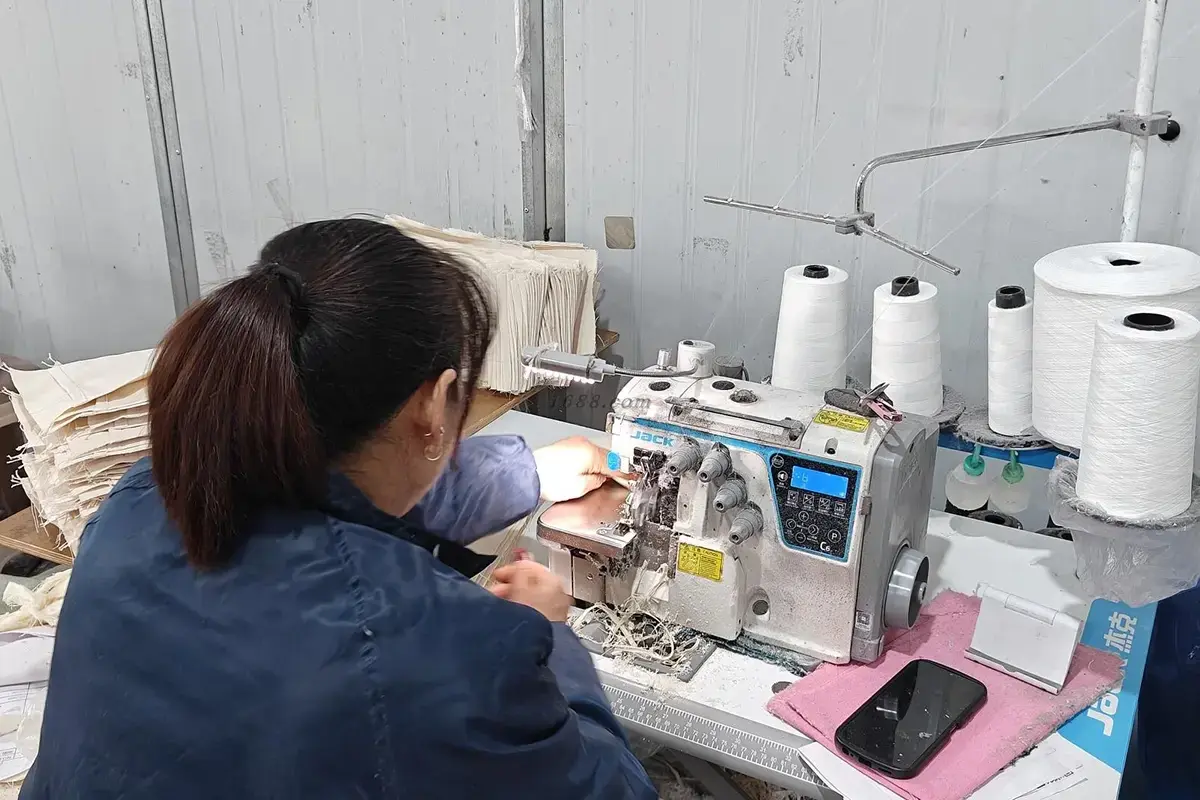
Seam Finishing
An operator uses an overlock machine to finish cotton tote panel edges before assembly.
Discuss Sewing Details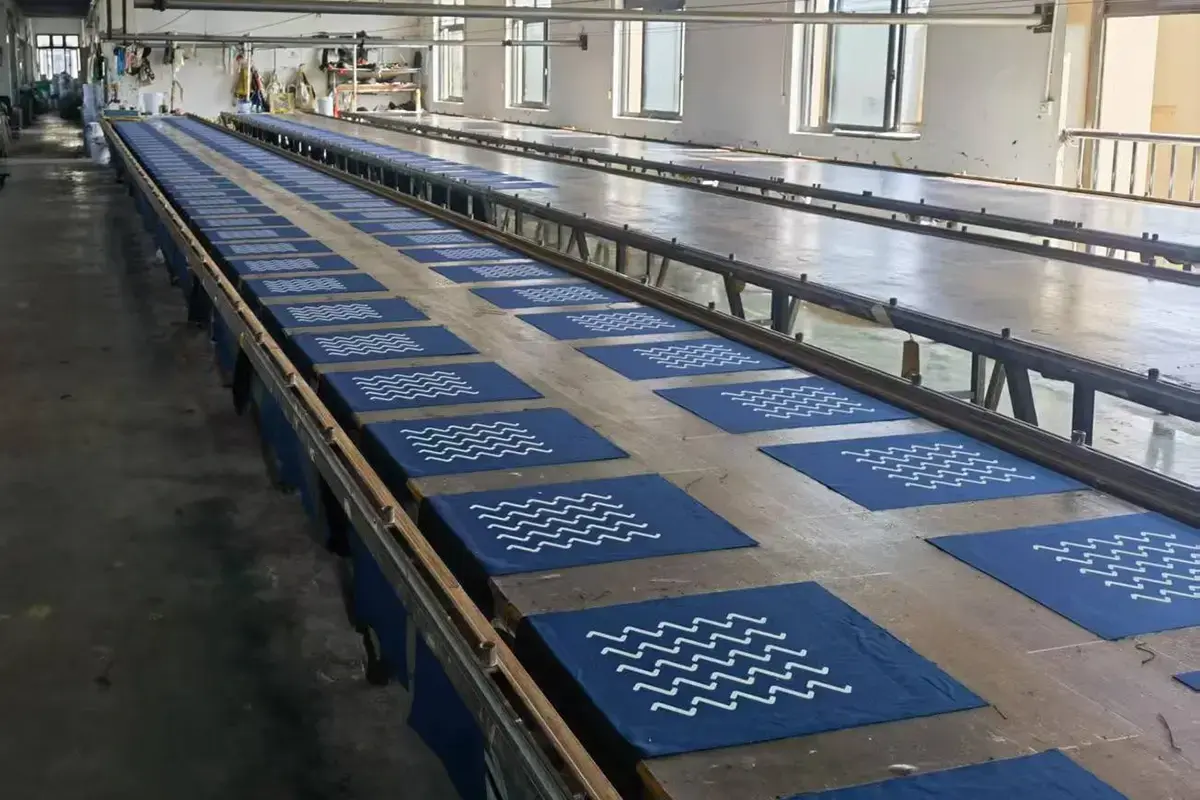
Screen-Printed Panels
Printed cotton panels are arranged across long workshop tables to dry before the next production step.
Review Printing Options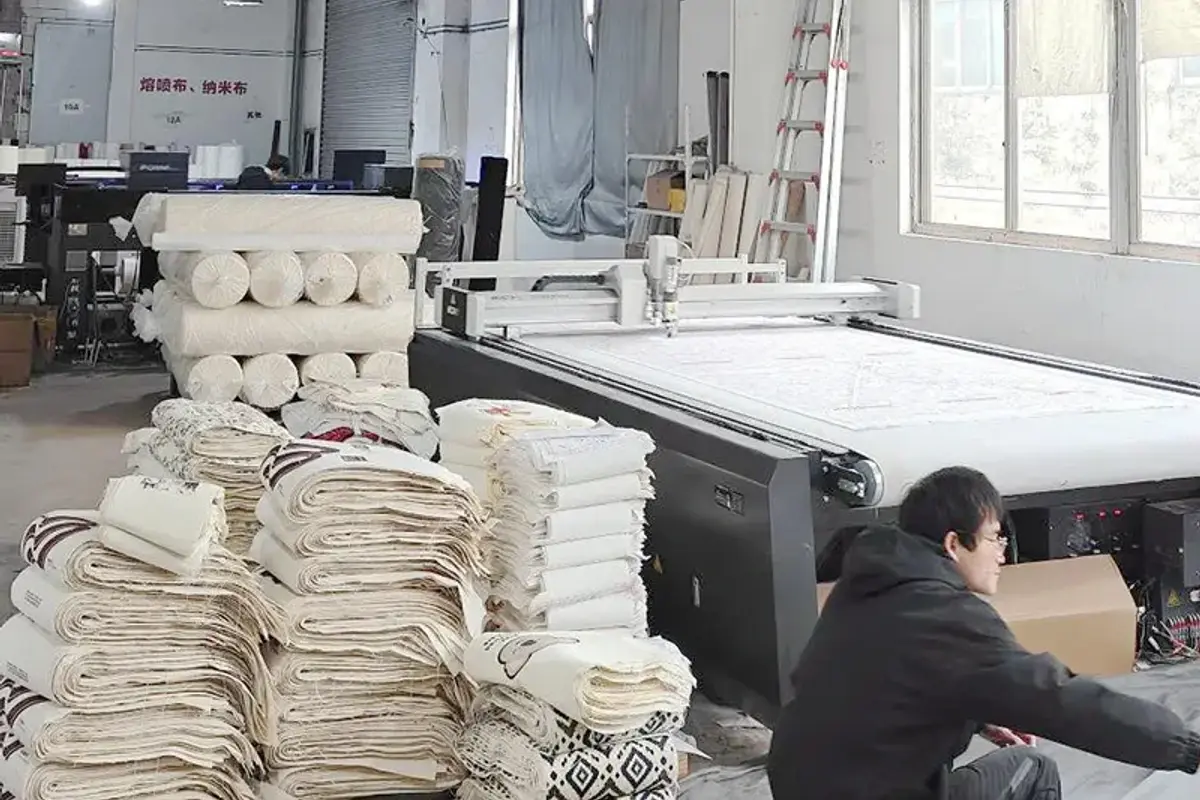
Panel Cutting and Preparation
Fabric rolls and cut cotton tote panels are prepared beside the cutting table before sewing.
Plan Your Production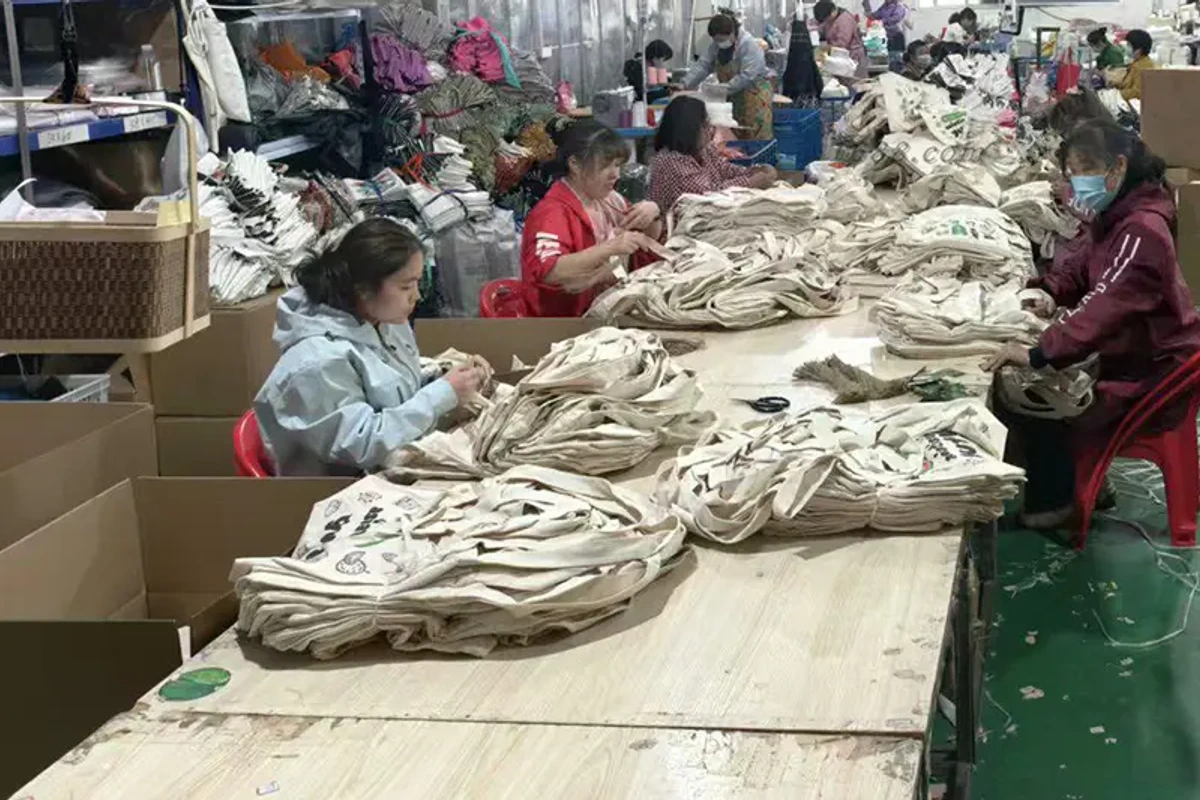
Cotton Color and Bulk Consistency
Incoming inspection checks fabric color, especially for natural and recycled cotton. In-process and final checks follow the approved fabric, color, dimensions, seams, handle attachment, print placement, appearance, quantity and packing standard.
Request a Cotton Tote Quote
Get a Custom QuoteCotton Tote Bags FAQ
Compare cotton, color, formats, handles and order terms before requesting a sample or quote.