
WiseTotes

Sustainable Tote Bag Manufacturing

Compare materials, production controls, waste, packaging, documents and order conditions for a custom tote bag project.
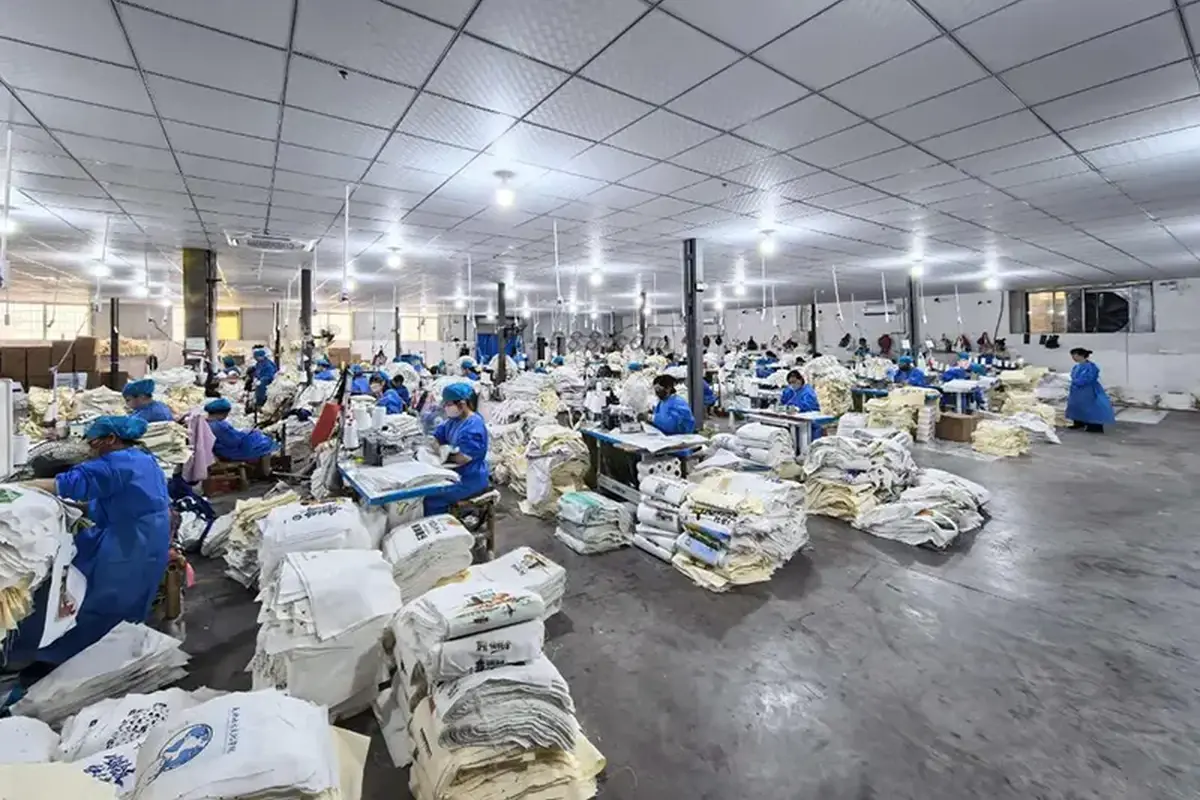
Tote bag production floor with sewing stations and sorted materials.

Three Sustainability Priorities

Each can be documented and applied to an order based on the buyer's material, production and packaging requirements.

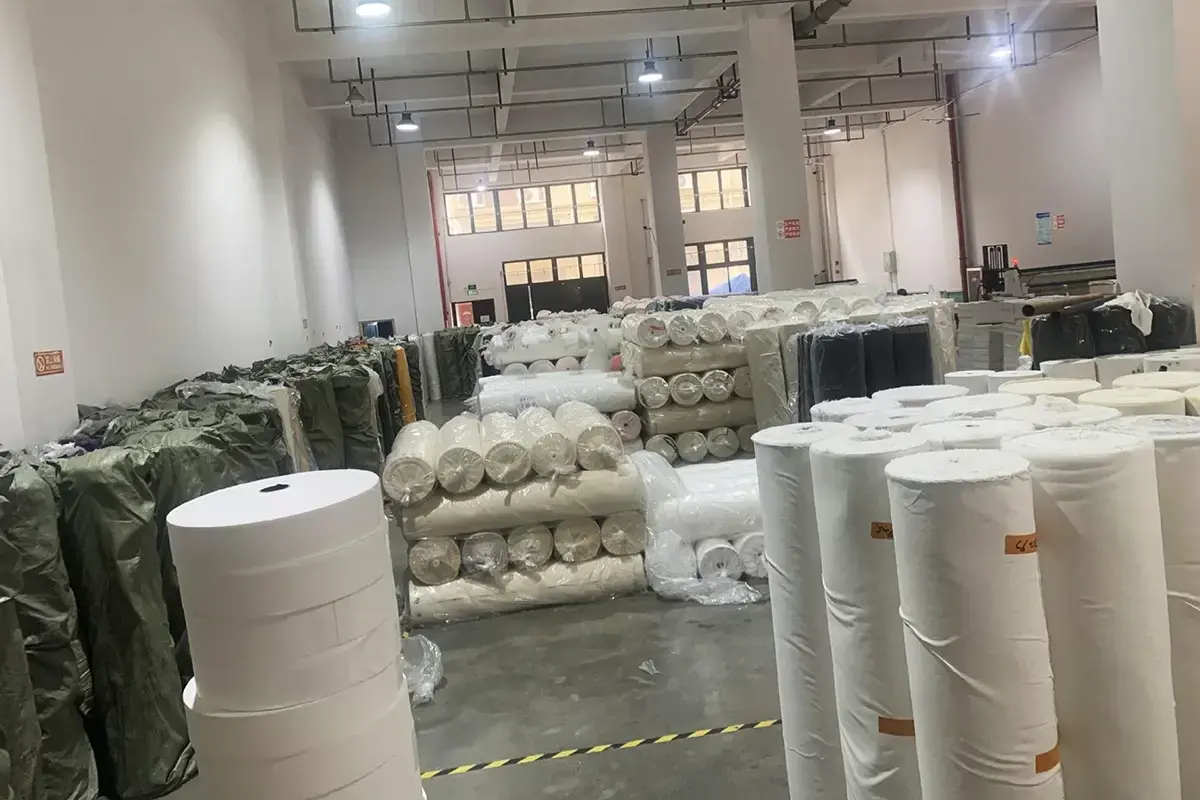
Fabric rolls stored for cotton and canvas tote bag material planning.

Materials and Sourcing

Cotton canvas, organic cotton, recycled cotton, recycled materials and standard canvas are reviewed for each product and order. Specification sheets and test reports are available on request.
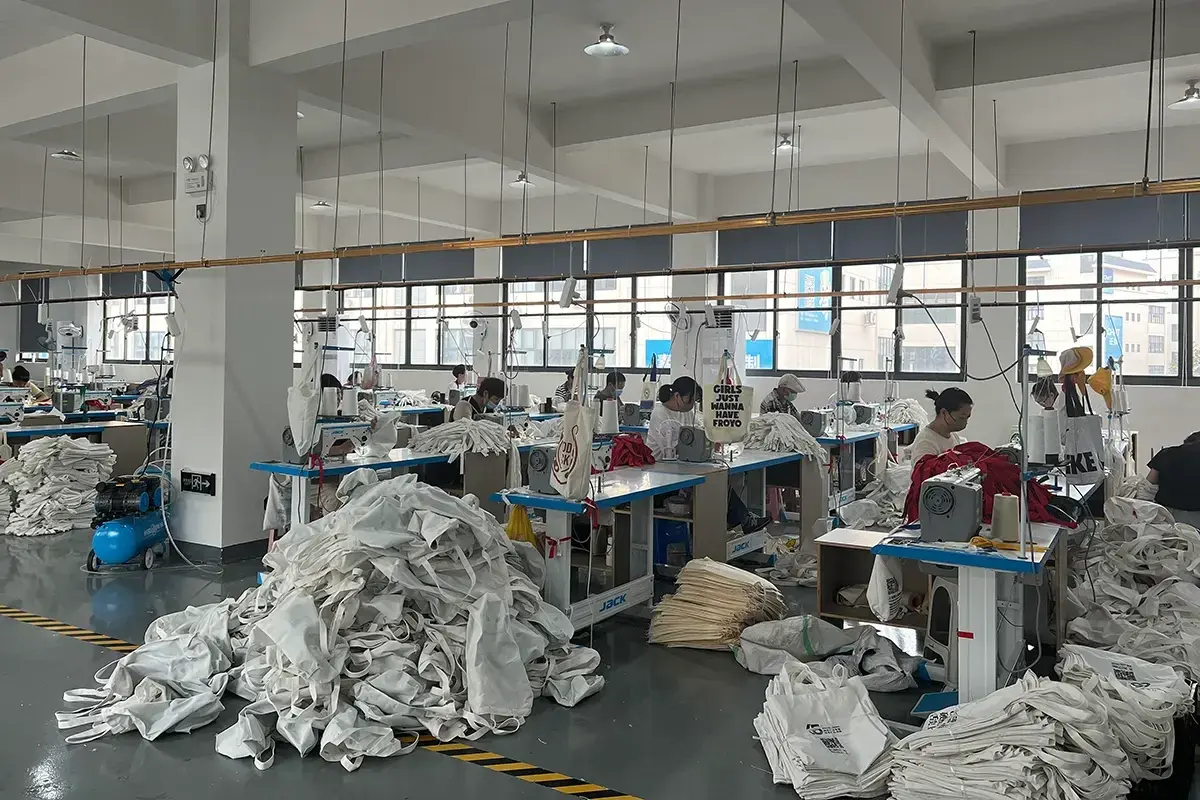
Cut fabric pieces collected beside tote bag sewing stations.

Production and Waste

Cutting layouts, production planning and in-process inspections reduce avoidable material use, rework and defects. Waste is sorted by material type.
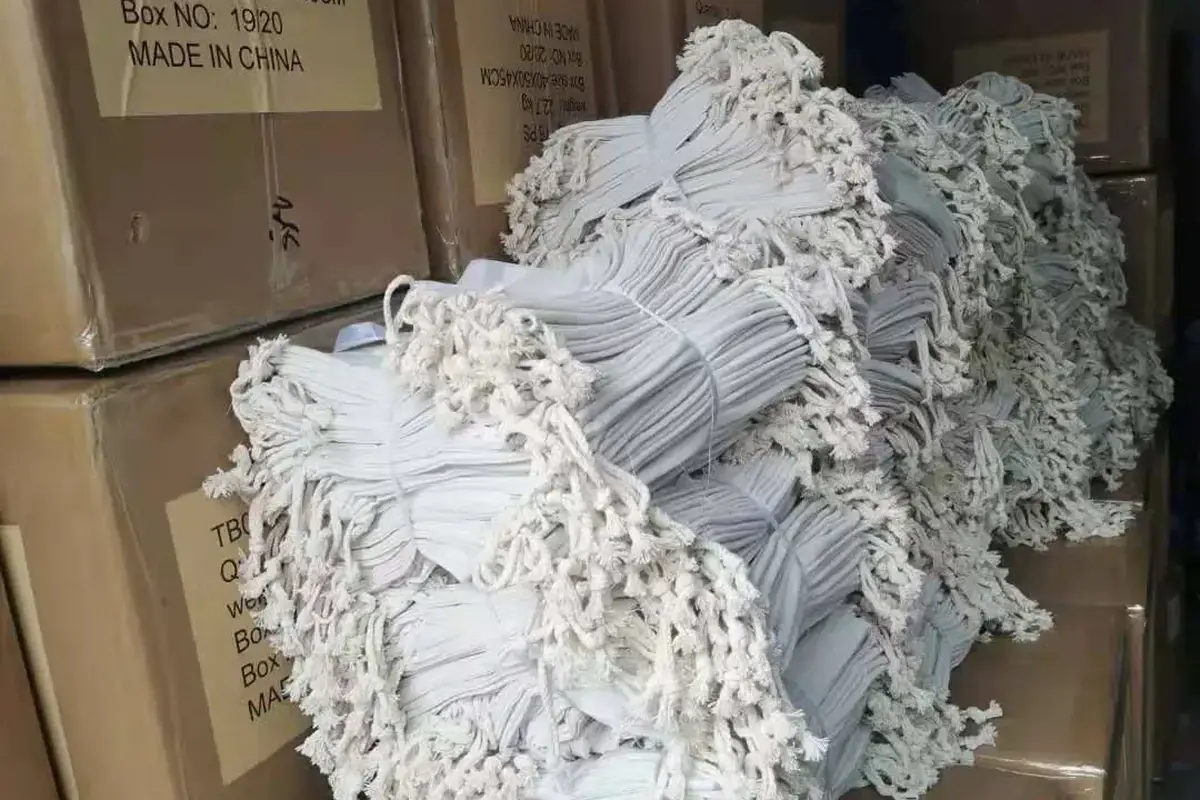
Bundled tote handles stacked on cartons before bulk packing.

Packaging and Delivery

Packaging can reduce unnecessary plastic, optimize carton size and use kraft paper, recycled paper or recyclable cartons while meeting product and delivery requirements.
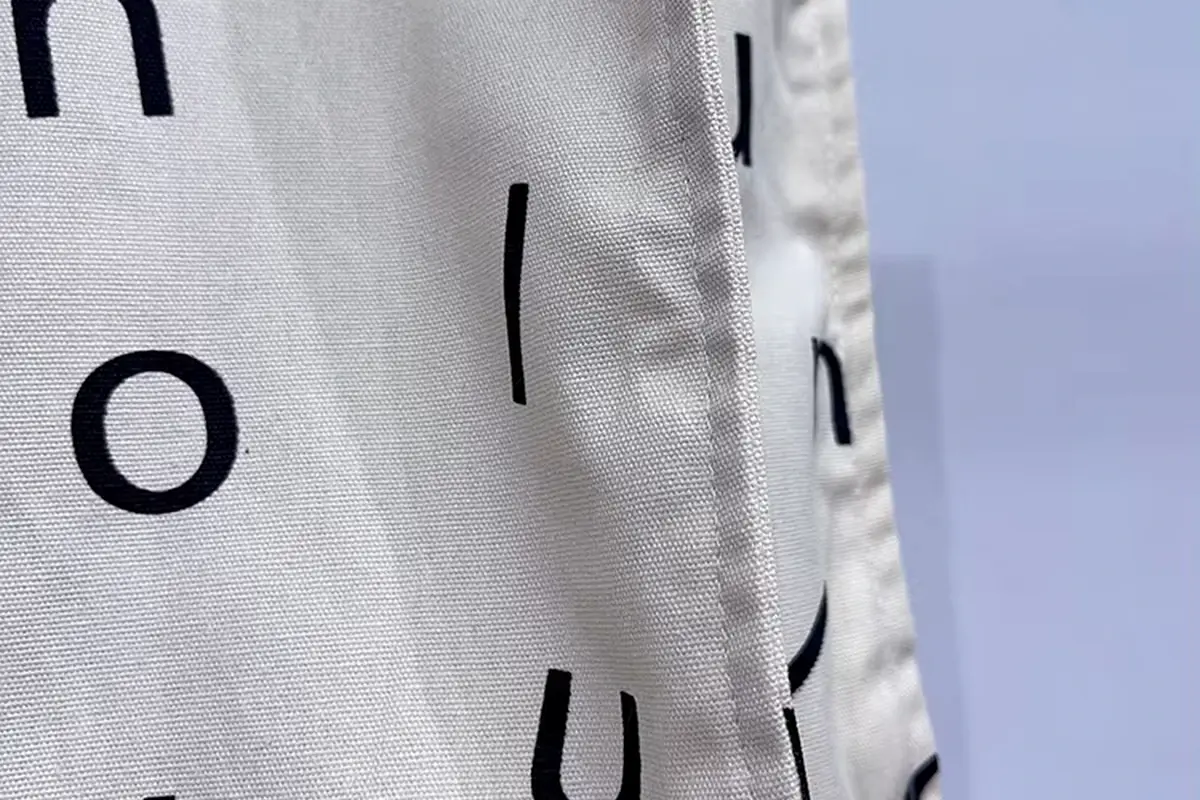
Close-up of printed cotton tote fabric, seams and woven texture.

Tote Bag Material Options

Material selection depends on product use, bag construction, print method, quantity, availability, buyer requirements, and the documents available for that material.

  • Cotton Canvas and Standard Canvas
    Base options for most custom tote bags, available in different weights subject to the product specification and order requirements.
  • Organic Cotton
    Available when required and subject to material availability. Documents are confirmed per project.
  • Recycled Cotton
    Available for recycled content in the bag body. Composition, sourcing and documents are checked for the selected order.
  • Recycled Materials
    Exact material, scope and suitable tote bag use are reviewed per project.
  • Material Documents
    Specification sheets, test reports and supplier documents can be provided for the selected material, subject to order and document checks.

Production and Fabric Waste

Planning, inspections and material-based sorting help reduce avoidable fabric use, rework and disposal.
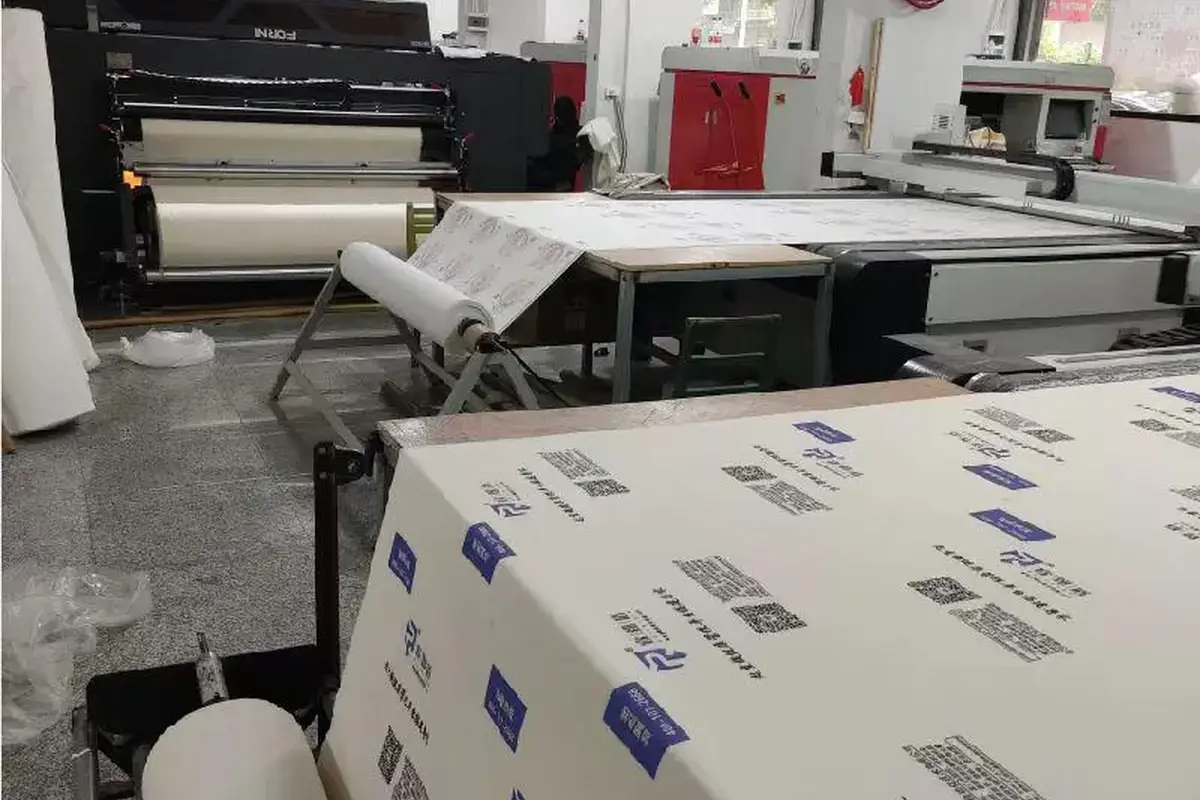
Printed tote bag panels moving through automated production equipment.

Planning and Material Use

Cutting layouts reduce avoidable material use, while in-process inspection catches issues earlier to limit defects and rework.
  • Optimized Cutting Layout
    Pattern layouts are planned to use less fabric per bag.
  • Production Planning Control
    Batches and material purchases are matched to the order before work progresses.
  • In-Process Inspection
    Cutting, printing and sewing checks catch problems before more material is used.
  • Reducing Defective Products
    Fewer defective bags reduce material use and rework for the same order.
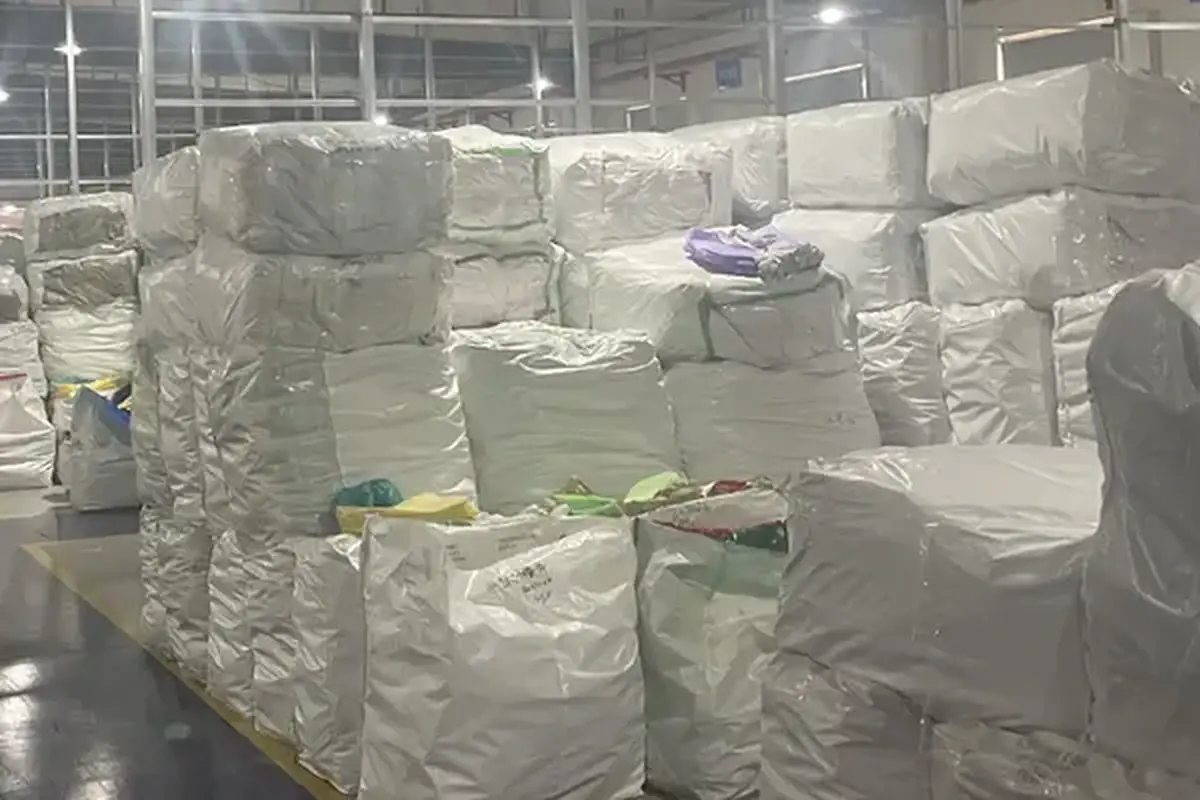
Sorted bulk material sacks arranged in a tote bag production area.

Sorting Production Waste

Waste is sorted by material before leaving the workshop, then recycled, reused or disposed of through controlled methods according to the material and production conditions.

  • Sorted by Material Type
    Fabric and other waste are classified before a handling route is selected.
  • Recycling
    Recyclable sorted material is sent for recycling.
  • Secondary Use
    Usable offcuts are kept for smaller parts or internal use.
  • Controlled Disposal
    Remaining waste uses controlled disposal methods.

Packaging Options

Packaging is selected with the buyer based on product protection, branding, labeling, order and shipping requirements, and material preference.
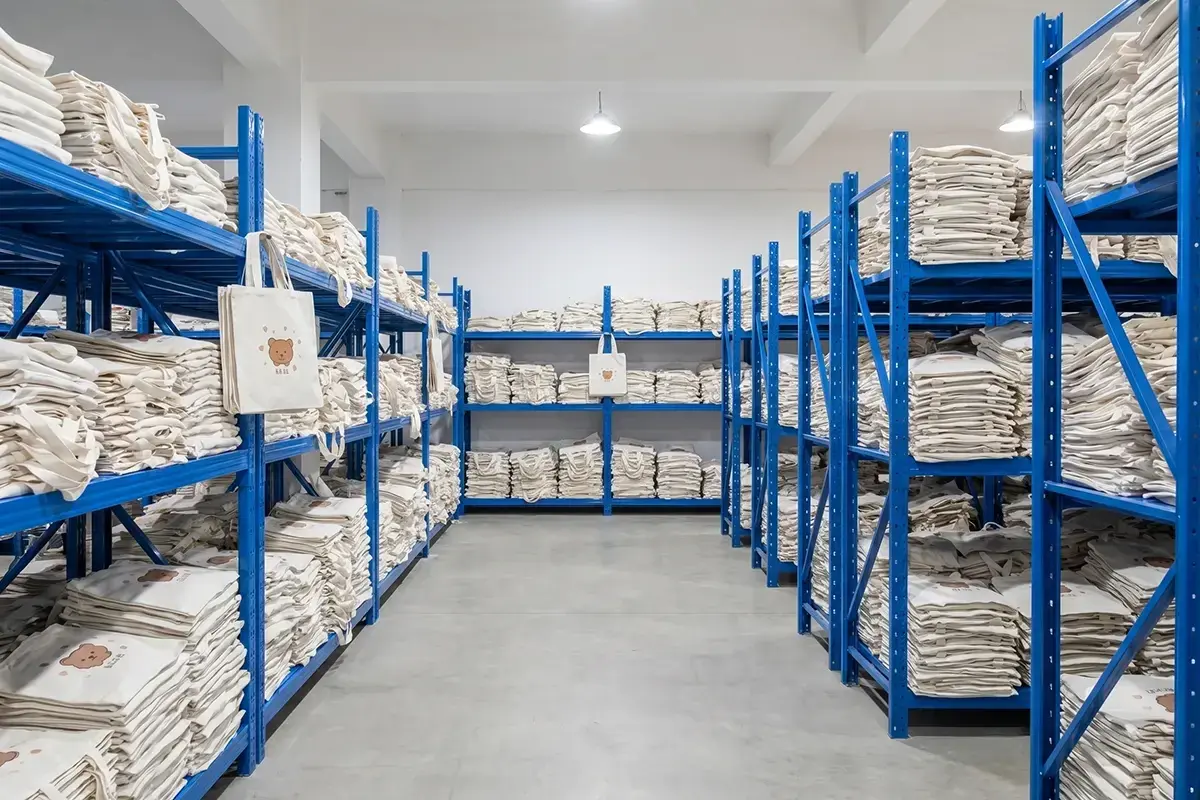
Bundled tote bag components stored on open warehouse racks.

Reduced Packaging

Where product protection allows, unnecessary plastic can be removed, carton size optimized and packaging waste reduced.
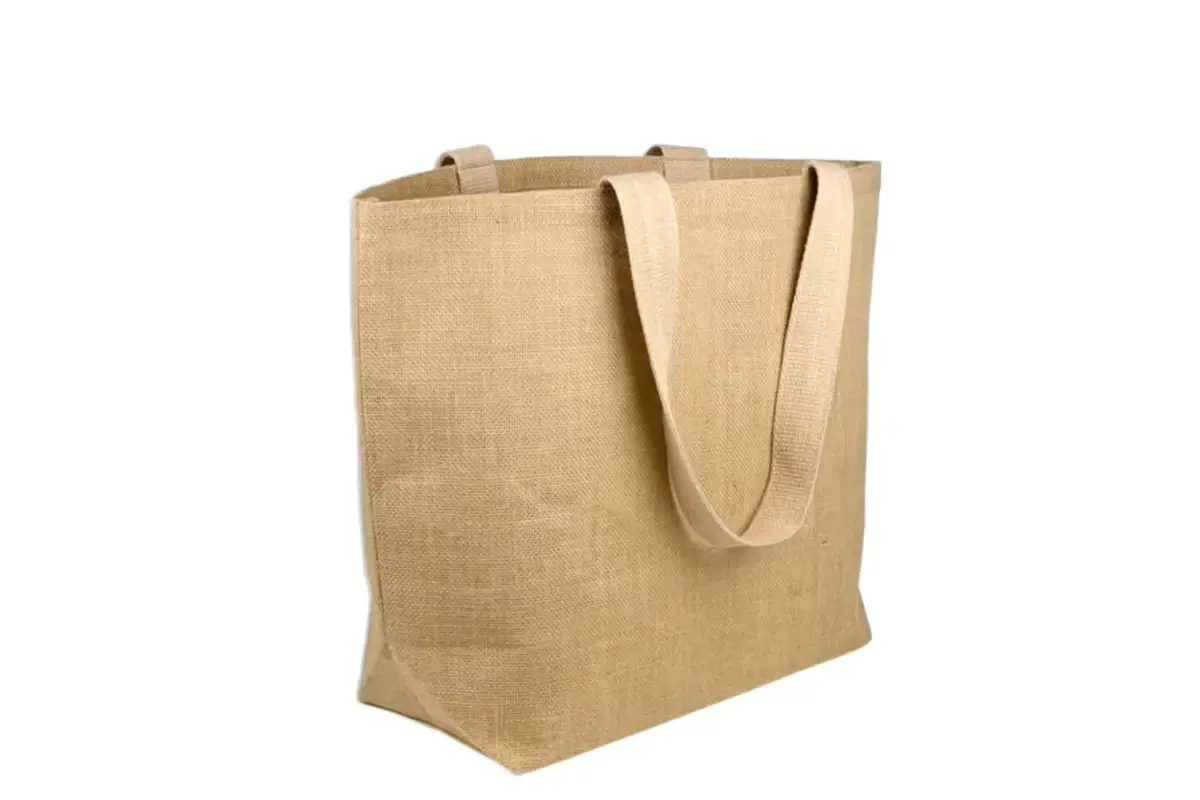
Natural jute tote with wide woven handles for reusable packaging.

Alternative Materials

Kraft paper, recycled paper, recyclable cartons, eco-friendly packaging and project-specific options are available as alternatives to standard packaging.
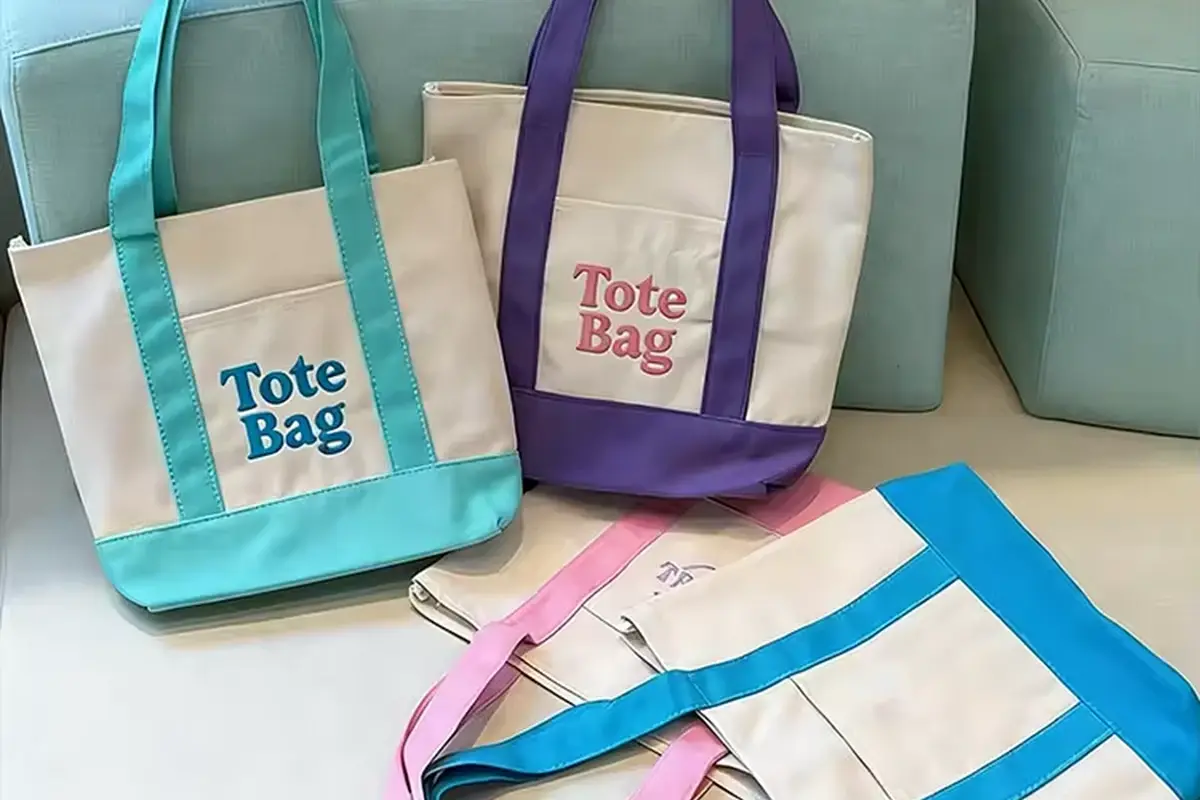
Custom tote samples showing contrasting handle, trim and body colors.

Custom Requirements

Custom labels, packaging and private-label presentation follow the confirmed order specification. The final plan must meet product protection, branding, labeling, carton and delivery requirements.
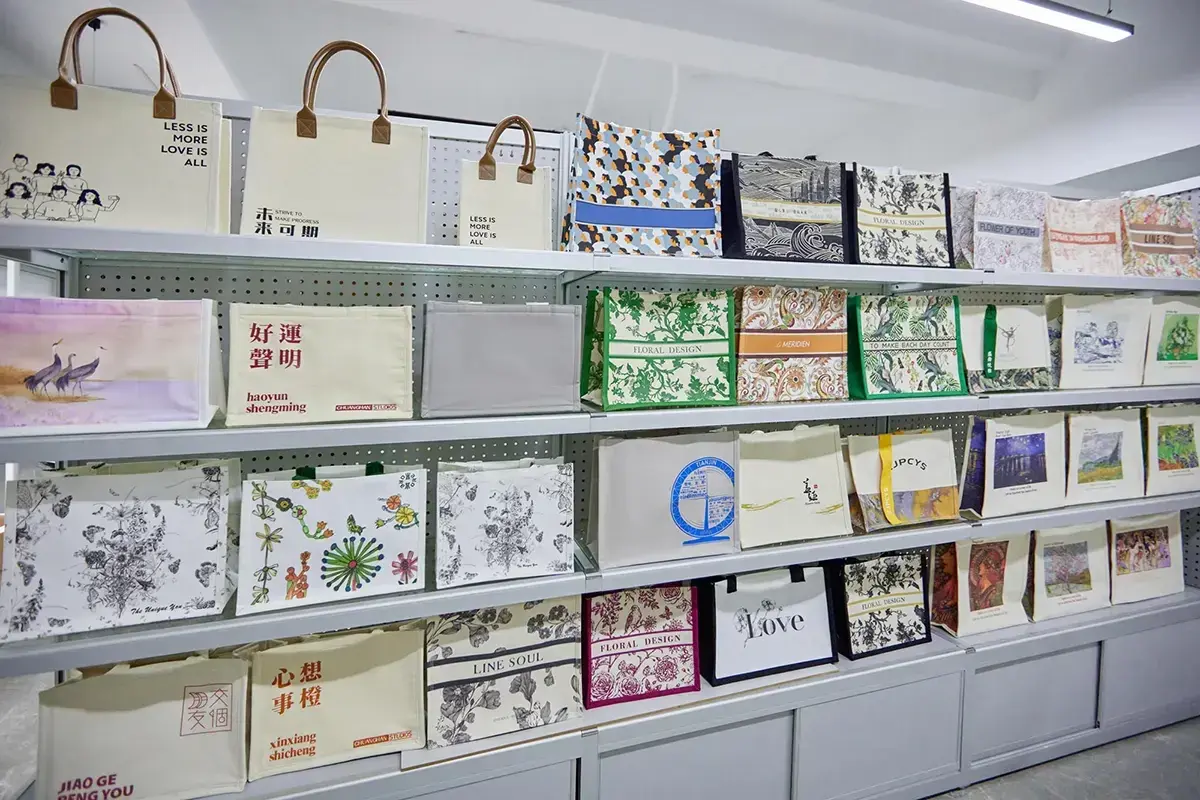
Tote material and print samples displayed for project specification review.

Documents for Project Claims

Each material or packaging statement relates to a document type WiseTotes can provide. Before a document supports a claim, its availability, holder, issuing source, coverage and current validity are checked for the selected material or product.

  • Material Specification Sheets
    Show the composition and specification of the material selected for an order.
  • Test Reports
    OEKO-TEX and REACH documents can be shared for covered materials after each report is matched to the material, product and order scope.
  • Certification Documents
    Provided after customer confirmation, with sensitive information covered when necessary. Holder, issuing source, coverage and validity must be confirmed before use.
  • Supplier Documents
    Supplier declarations may support sourcing or material checks when applicable to the material purchased for the selected order.

Plan a More Responsible Custom Tote Bag

Share the product, material, quantity, packaging, destination, sustainability requirements and document needs for an availability, scope, MOQ, cost and timing review.

Discuss Your Requirements

Sustainability Questions from Buyers

Materials, claim documents, production waste, packaging and order conditions.

WiseTotes can offer cotton canvas, organic cotton, recycled cotton, recycled materials and standard canvas. Material, composition, suitability and availability are confirmed against the product design, bag construction, print method, quantity and project requirements before order approval.
Depending on the project, WiseTotes can provide material specification sheets, test reports, certification documents and supplier documents. OEKO-TEX and REACH testing documents are available for the materials they cover. Before a document supports a claim, its availability, holder, issuing source, coverage and current validity are checked for the selected material or product. Documents are provided after customer confirmation, with sensitive information covered when necessary.
WiseTotes uses optimized cutting layouts, production planning and in-process inspections to reduce avoidable waste and rework. Waste is sorted by material type, then recycled, reused or disposed of through controlled methods according to the material and production conditions.
Unnecessary plastic packaging can be reduced and carton size optimized. WiseTotes can offer kraft paper, recycled paper, recyclable cartons, eco-friendly packaging and other project-specific options where product protection allows. The final choice must meet product protection, labeling, branding and shipping requirements.
Yes. Eco-friendly materials and packaging may affect MOQ, cost and production lead time, depending on material availability and project requirements. Conditions are confirmed with the selected product, quantity, documents and packaging plan before order approval; each project is quoted after the material is confirmed.